 English
-
Regional Differences in Dredging Demand and Market Size
Regional differences in dredging demand and market size significantly influence the dredging industry, requiring tailored strategies to address unique operational, environmental, and economic factors. These variations also impact the selection of dredging rubber hoses, as specific regional conditions dictate the performance requirements of hoses to ensure efficiency, safety, and cost-effectiveness.
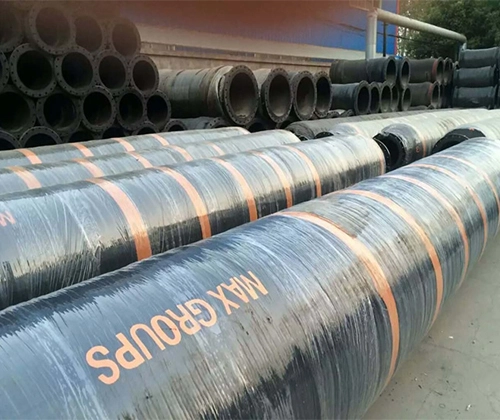
Dredging demand and market size vary across regions due to differences in geography, economic development, infrastructure needs, environmental regulations, and trade activities. Below is an analysis of key regions based on recent market data and trends:
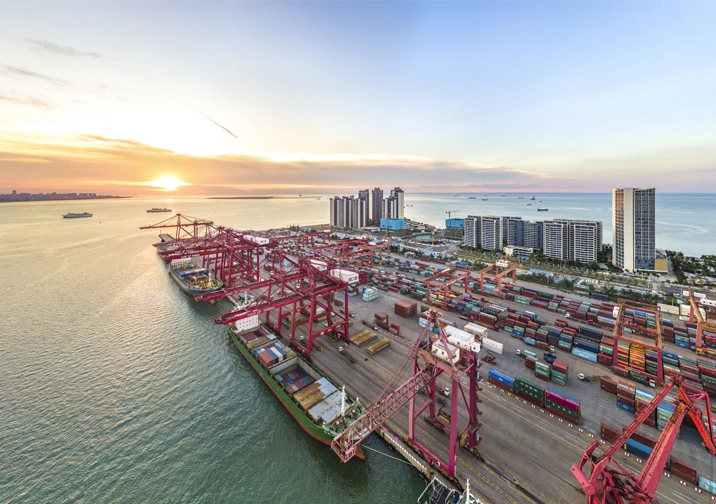
The Asia-Pacific region dominates the global dredging market, accounting for approximately 40% of the market share in 2023. The dredging equipment market in the region is driven by rapid urbanization, port expansion, and infrastructure development, particularly in China and India. For instance, China's dredging market is projected to grow at a CAGR of 5.1% through 2034, fueled by its Belt and Road Initiative (BRI) and significant investments in port infrastructure (close to $1 trillion). India's Sagarmala Project, involving 234 port-related projects, further boosts demand.
North America holds about 25% of the global dredging market share, with the U.S. alone spending over $1.5 billion annually on dredging operations. The market is expected to grow steadily due to extensive coastlines, busy ports, and environmental restoration projects.
Europe accounts for roughly 20% of the global dredging market, with countries like the Netherlands and Belgium leading due to their expertise in land reclamation and water management. The market is projected to grow at a CAGR of 2-4% through 2034, driven by stringent environmental regulations and coastal protection needs.
The MEA region holds about 10% of the global dredging market, with growth projected at a CAGR of 4.8% from 2024 to 2030. Countries like the UAE and Saudi Arabia are investing heavily in port modernization and maritime expansion.
South Asia & Oceania:This region accounts for over 17.2% of the global dredging market revenue, with significant growth expected due to flood control and port development projects in countries like India, Bangladesh, and Sri Lanka.
Latin America has a smaller market share but is growing due to infrastructure development and port modernization. The market is less saturated compared to APAC and North America.
Impact on Dredging Hose Selection
Regional differences in dredging demand and market characteristics directly influence the selection of dredging rubber hoses, as they must meet specific operational, environmental, and regulatory requirements. Below are the key impacts and tailored recommendations for hose selection based on regional needs:
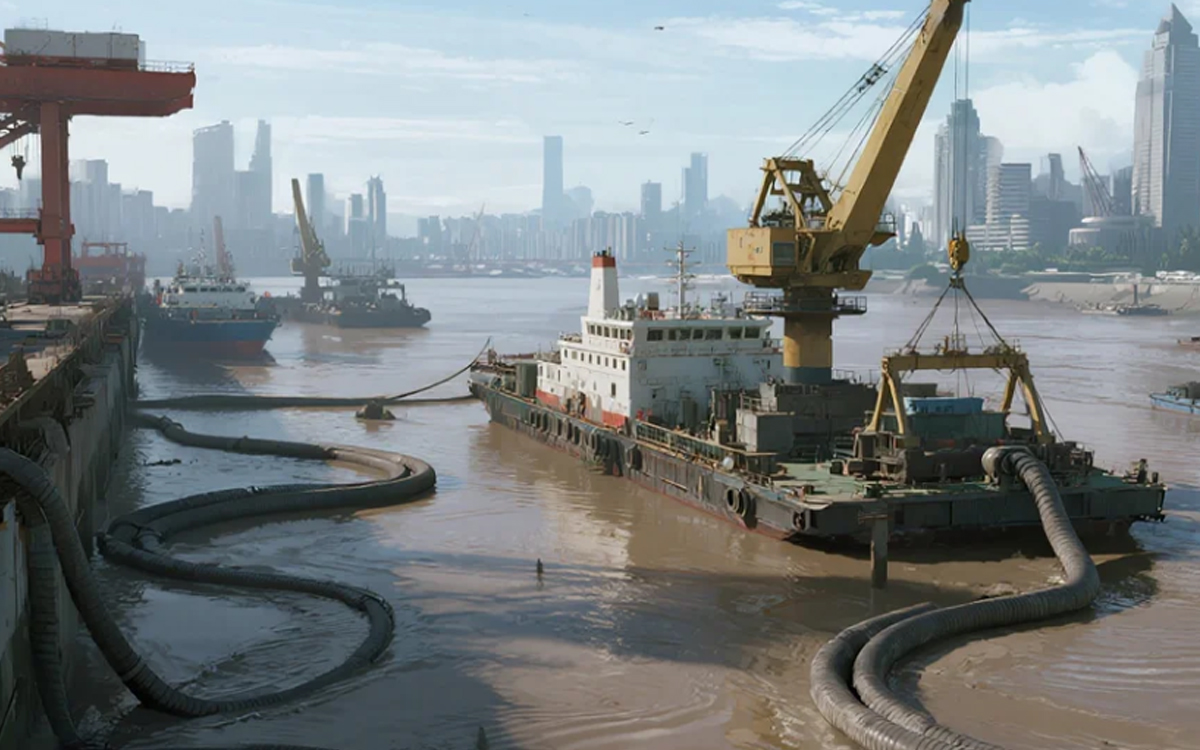
Asia-Pacific (High-Demand, Harsh Conditions):
Impact: The region’s high dredging activity, particularly in China and India, involves abrasive sediments (e.g., gravel, sand) and high-pressure deepwater operations. The focus on capital dredging for port expansion and flood control requires hoses that can withstand severe service conditions, as noted in the increasing scale of reclamation and dredging works.
Hose Selection Recommendations:
Material: Choose high-abrasion-resistant hoses with polyurethane or ceramic linings to handle coarse sediments. For marine environments, select hoses with anti-corrosion coatings (e.g., fluororubber) to resist seawater.
Structure: Opt for multi-layer steel wire or Kevlar-reinforced hoses for high-pressure resistance (e.g., minimum burst pressure of 4 times working pressure, typically 20 kg/cm²). Floating dredge hoses are ideal for waterway discharge applications.
Features: Consider smart hoses with embedded sensors for real-time monitoring of wear and pressure, given the region’s adoption of advanced technologies.
Example: For China’s BRI port projects, select floating dredge hoses with high UV and ozone resistance for long-term marine exposure.
North America (Sustainability and Advanced Technology):
Impact: The focus on environmental sustainability and advanced dredging technologies (e.g., automation, real-time monitoring) requires hoses that meet strict regulatory standards and support precise operations. The region’s busy ports and coastal protection projects demand durable, eco-friendly hoses.
Hose Selection Recommendations:
Material: Use eco-friendly, low-leakage materials like polyurethane or composite hoses compliant with environmental standards (e.g., ISO 14001).
Structure: Select hoses with high flexibility and single- or double-layer reinforcement for maintenance dredging in navigable channels.
Features: Prioritize hoses with automation-compatible designs (e.g., compatible with real-time monitoring systems) to align with the region’s technological advancements.
Example: For U.S. coastal protection projects, choose hoses with low-emission liners and high resistance to sediment abrasion for environmental dredging.
Europe (Eco-Friendly and Regulatory Compliance):
Impact: Stringent environmental regulations and a focus on sustainable dredging practices necessitate hoses that minimize ecological impact and comply with regional standards. The emphasis on coastal protection and ecosystem restoration requires hoses for handling contaminated sediments.
Hose Selection Recommendations:
Material: Select hoses with chemically resistant linings (e.g., PTFE) for environmental dredging of contaminated sediments. Eco-friendly materials are critical to meet regulatory requirements.
Structure: Choose multi-layer hoses with high resistance to weathering, UV, and ozone for long-term durability in coastal projects.
Features: Opt for hoses with low-turbidity designs to reduce sediment disturbance, aligning with Europe’s focus on minimizing environmental impact.
Example: For Netherlands’ land reclamation projects, use floating dredge hoses with reinforced rubber shells and eco-friendly liners.
Middle East & Africa (Harsh Environments and Capital Dredging):
Impact: Harsh environmental conditions (e.g., high salinity, abrasive sediments) and capital dredging for port development require robust, high-performance hoses. The region’s focus on maritime trade and infrastructure projects demands durability under extreme conditions.
Hose Selection Recommendations:
Material: Choose hoses with high-abrasion and corrosion-resistant linings (e.g., polyurethane, ceramic) to handle abrasive sediments and saline conditions.
Structure: Select heavy-duty, multi-layer reinforced hoses (e.g., with steel wire or Kevlar) for high-pressure capital dredging applications.
Features: Prioritize hoses with high bending capabilities and armored designs for flexibility in complex projects like artificial island construction.
Example: For UAE port expansion, use non-floating dredge hoses with high tensile strength and corrosion resistance for deepwater operations.
South Asia & Oceania (Flood Control and Cost Sensitivity):
Impact: High demand for flood control and port maintenance, combined with budget constraints in some countries, requires cost-effective yet durable hoses. The region’s abrasive sediments and frequent flooding necessitate robust designs.
Hose Selection Recommendations:
Material: Opt for cost-effective rubber hoses with abrasion-resistant linings for flood control dredging (e.g., Brahmaputra River projects).
Structure: Choose single- or double-layer reinforced hoses to balance cost and durability, suitable for maintenance dredging.
Features: Select hoses with high bending angles and modular designs for easy installation and maintenance in resource-constrained environments.
Example: For Bangladesh’s flood mitigation projects, use suction hoses with high wear resistance and cost-effective materials.
Latin America (Emerging Market with Budget Constraints):
Impact: Emerging markets with growing port modernization needs require affordable hoses that still meet performance demands. Environmental restoration projects also drive demand for specialized hoses.
Hose Selection Recommendations:
Material: Choose rubber or composite hoses with balanced abrasion and corrosion resistance for cost-effectiveness.
Structure: Opt for standard reinforced hoses suitable for maintenance dredging and smaller-scale projects.
Features: Prioritize modular, easy-to-maintain hoses to reduce operational costs in budget-constrained environments.
Example: For Brazil’s port modernization, select cost-effective suction hoses with moderate reinforcement for shallow-water dredging.
Regional differences in dredging demand and market size—driven by factors like trade volumes, infrastructure development, environmental regulations, and economic conditions—directly influence the selection of dredging rubber hoses. High-demand regions like Asia-Pacific require robust, abrasion-resistant hoses for harsh conditions, while environmentally focused regions like Europe prioritize eco-friendly, low-impact designs. North America emphasizes technological integration, and cost-sensitive regions like South Asia and Latin America need affordable yet durable solutions. By aligning hose selection with these regional characteristics, dredging companies can optimize efficiency, ensure safety, and control costs. If you have specific regional projects or conditions in mind, please provide details for more tailored recommendations!
Why Choose YONGHONG as Your Dredge Hose Supplier?
When selecting a reliable dredge rubber hose supplier, partnering with a trusted manufacturer ensures quality, durability, and compliance with industry standards. Here’s why YONGHONG stands out in the global dredging industry:
1. Industry-Leading Expertise
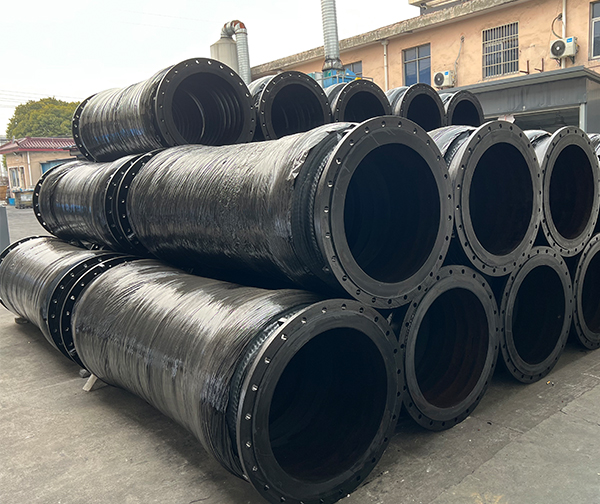
As the designated production base for marine rubber for the China Dredging Association, YONGHONG combines ISO9001-certified manufacturing with decades of expertise in producing high-performance dredging solutions, including mud suction hose, floating hose, and sealing elements.
2. Custom Solutions for Various Regional Needs
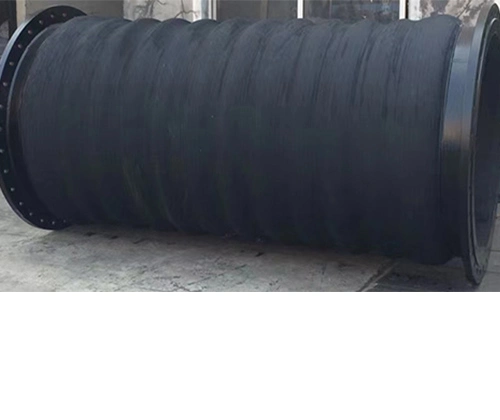
Asia-Pacific: Heavy-duty self floating rubber hose with high abrasion resistance for large-scale port projects.
Europe & North America: Eco-friendly sewer ring and low-leakage hoses that meet strict environmental regulations.
Middle East & Africa: Corrosion-resistant dredge rubber hoses with enhanced durability for harsh marine conditions.
3. Advanced Manufacturing & Quality Assurance
With our state-of-the-art dredge rubber hose factory, we ensure:
Robust materials: High-grade rubber, polyurethane, and steel wire reinforcement.
Strict testing: Hoses undergo rigorous pressure and abrasion tests to guarantee long-term performance.
Custom sizes & specifications: Tailored solutions for specific dredging projects worldwide.
4. Global Reliability & Support
As a leading sealing element company, YONGHONG provides:
Timely global shipping to key dredging markets.
Technical support for hose selection, installation, and maintenance.
Competitive pricing without compromising quality.
Whether you need abrasion-resistant suction hoses, floating discharge hoses, or specialized sealing solutions, YONGHONG delivers unmatched reliability and efficiency for your dredging operations.
- Understanding the Regional Distribution of Dredging Rubber Hose in China
- Maximize Your Dredging Efficiency with Premium Rubber Suction Hoses
- Rubber Dredging Hose vs HDPE Pipe: Which One Should You Choose?
- How Dredging Rubber Hoses Work with Different Types of Dredgers?
- Maintenance Tips for Prolonging the Life of Your Dredging Hoses
- What Are Marine Fenders and Their Purposes