 English
-
Marine Rubber Seal Types for Boats and Ships
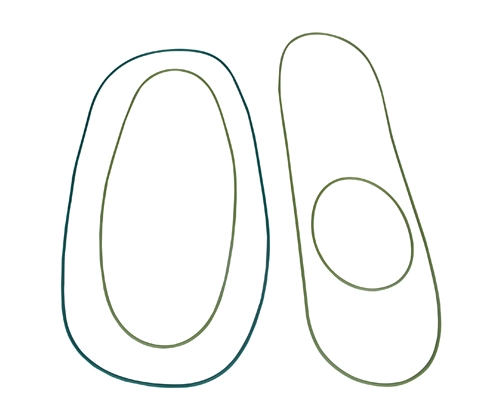
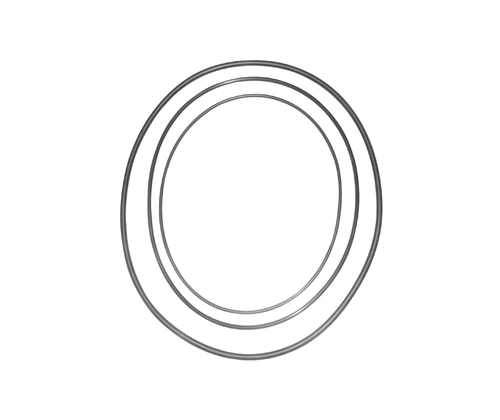

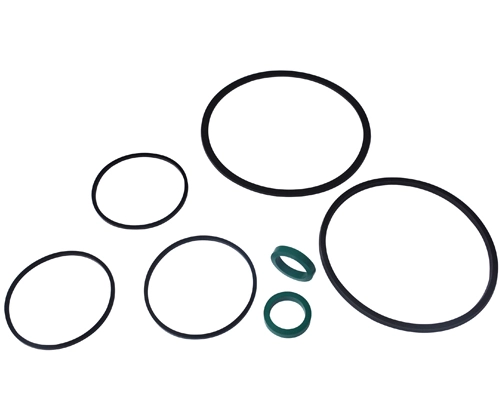
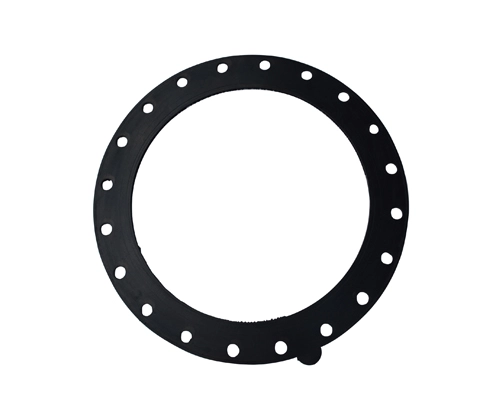
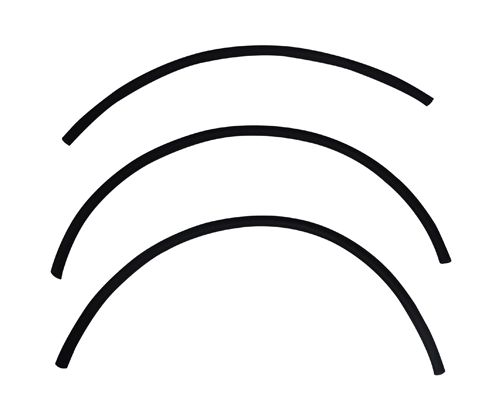
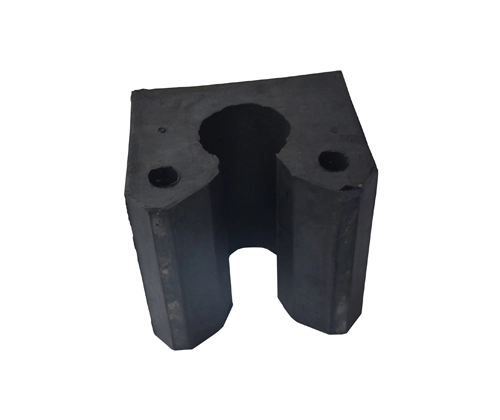
Marine Rubber Seal Product Comparison
The following table provides a general starting point for product selection. Final recommendations require complete operating information.
| Product Type | Typical Application | Main Selection Factors |
| Fluororubber seal ring | Fuel, oil and demanding equipment systems | Medium, temperature, pressure and movement |
| NBR O-ring | Oil, hydraulic and general machinery sealing | Oil compatibility, hardness and groove dimensions |
| Silicone seal ring | Covers, enclosures and selected static seals | Temperature, compression and contact medium |
| Rectangular sealing ring | Hatches, covers and static joints | Cross-section, compression and installation space |
| Rubber gasket | Flanges and equipment interfaces | Thickness, pressure, surface and bolt load |
| Sealing rubber strip | Doors, windows and access panels | Profile, corner joint, compression and fixing |
| Custom rubber part | Non-standard marine equipment | Drawing, tolerance, material and manufacturing process |
A material or product shape should not be selected from the application name alone. The same shipboard system may require different rubber compounds depending on the exact fluid, temperature, movement and pressure.
How Marine Rubber Seals Create a Watertight Joint
Marine rubber seals work by deforming under controlled compression and filling the space between mating surfaces.
The exact sealing mechanism depends on the product shape and whether the parts remain stationary or move during operation.
Compression Sealing
Compression sealing is used for:
O-rings
Rectangular rings
Rubber gaskets
Hatch seals
Cover seals
When the mating surfaces close, the rubber component is compressed and fills small gaps between the surfaces.
The compression amount must be controlled. Insufficient compression can allow leakage, while excessive compression may damage the seal or reduce its service life.
Profile Sealing
Profile seals are commonly used around:
Marine doors
Deck hatches
Windows
Inspection openings
Access panels
Equipment covers
The shape of the profile determines how it contacts the frame and how much force is required to close the door or hatch.
Solid and hollow profiles behave differently under compression, so they should not be treated as interchangeable.
Dynamic Sealing
Dynamic seals are used where one surface rotates or moves relative to another.
Selection should consider:
Movement type
Surface speed
Lubrication
Surface roughness
Friction
Heat generation
Wear
Pressure direction
Dynamic applications normally require more detailed technical evaluation than fixed hatch or gasket seals.
How Do Rings for Ship Sealing Work?
1. Rings for ship sealing, are usually made of elastomeric materials such as rubber, silicone and fluoroelastomer. These materials have good elasticity and can be restored to their original shape.
2. These marine rubber seals are installed between two parts that are moving relative to each other and are usually located in a sealing groove. When the two parts engage with each other, the seal will be squeezed and deformed. This deformation is due to the elasticity of the seal.
3. When two parts move against each other, the ship sealing element is squeezed and fills the sealing groove. This causes the seal to exert uniform pressure on the two surfaces moving against each other. The deformation of the seal causes it to fit and close the gap between the two parts, thus preventing the leakage of liquids or gases.
4. The rings for ship sealing have good resistance to high pressures and temperatures, but their performance can be affected by the choice of material. Different types of sealing materials are suitable for different working conditions.
5. These marine rubber seals can be used for both static and dynamic sealing. In a static sealing application, the two components are stationary relative to each other, while in a dynamic sealing application, the two components move relative to each other. Seals can be adapted to both situations and provide a reliable seal.
Marine Rubber Seal Manufacturing Options
The manufacturing method depends on the product shape, material, size, tolerance and order quantity.
Rubber Molding
Molding is generally used for:
O-rings
Rectangular rings
Three-dimensional parts
Non-standard sealing components
Parts with defined cavities or details
A dedicated mold may be required for custom products.
Rubber Extrusion
Extrusion is generally used for:
Long sealing strips
Continuous profiles
Solid sections
Hollow sections
Door and hatch seals
Extruded profiles may require cutting, splicing or vulcanized corner joining after extrusion.
Gasket Cutting
Cutting processes may be used for:
Flat rubber gaskets
Flange gaskets
Cover gaskets
Prototype or low-volume parts
The available thickness, dimensions and tolerance depend on the material sheet and cutting process.
Sample-Based Manufacturing
Where a drawing is unavailable, an original sample may be reviewed.
However, worn, stretched or compressed samples may no longer represent the original dimensions. Installation-groove measurements and equipment drawings should be provided whenever possible.
Marine Rubber Seal Quality Inspection
Each order should be inspected according to the approved drawing and agreed quality requirements.
Available inspection items may include the following, subject to the actual product and confirmed quality plan.
Dimensional Inspection
Key dimensions may include:
Inside diameter
Outside diameter
Cross-section
Width
Thickness
Length
Profile height
Bolt-hole position
Corner dimensions
Hardness Inspection
Rubber hardness may be checked according to the confirmed compound and product specification.
Hardness affects compression force, flexibility and resistance to deformation.
Appearance Inspection
The seal surface can be checked for:
Cracks
Bubbles
Excessive flash
Surface contamination
Poor joints
Visible deformation
Incorrect markings
Material Performance Testing
Where required and available, the quality plan may include:
Tensile strength
Elongation
Compression set
Aging resistance
Medium-immersion testing
Adhesion testing
Trial installation
Leakage or watertightness testing
The required test method and acceptance criteria should be confirmed before production.
Why Choose YongHong for Marine Rubber Seals?
Multiple Marine Seal Types
YongHong provides O-rings, rectangular rings, rubber gaskets, sealing strips and custom marine rubber components for different shipboard applications.
Drawing-Based Customization
Products can be developed according to customer drawings, original samples, groove dimensions and equipment interfaces.
Material Selection Support
The material is reviewed according to contact medium, temperature, pressure, movement and environmental exposure rather than product name alone.
Molded and Extruded Options
Different production methods can be evaluated according to product shape, dimensions, tolerance and order quantity.
Inspection Before Shipment
Applicable dimensions, hardness, appearance and agreed performance items can be inspected before shipment.
FAQ
What is a boat rubber ring?
A boat rubber ring is an elastomeric sealing component used to close gaps around marine doors, hatches, covers, pipelines, pumps, valves and equipment connections. It may use a round, rectangular or custom cross-section depending on the installation.
Which rubber material is suitable for seawater?
Material selection depends on more than seawater exposure. The operating temperature, pressure, UV exposure, movement, compression and presence of oil, fuel or chemicals must also be considered. The exact compound should be confirmed from the complete operating conditions.
Is NBR suitable for marine fuel and oil systems?
NBR is commonly considered for oil, fuel and hydraulic applications, but the exact fluid, temperature, pressure and exposure conditions must be confirmed. Different fuels and additives may affect rubber compounds differently.
When should fluororubber be selected?
Fluororubber may be considered for demanding applications involving fuels, oils, elevated temperatures or selected chemicals. Its suitability should still be checked against the exact medium, temperature range, movement and cost requirements.
What is the difference between an O-ring and a rubber gasket?
An O-ring normally uses a round cross-section and is installed in a defined sealing groove. A gasket is generally a flat sealing component installed between flanges, covers or equipment surfaces. The installation method and compression conditions are different.
Can marine seals be manufactured from a drawing or sample?
Yes. Custom seals can be evaluated from technical drawings, three-dimensional models, original samples or sealing-groove dimensions. Providing operating conditions alongside the drawing helps determine a suitable material and manufacturing process.
Can you produce custom sealing-strip profiles?
Custom extruded profiles may be available according to the cross-section, dimensions, material, tolerance and order quantity. A clear profile drawing should be submitted for manufacturing review.
What information is required for a quotation?
Please provide the seal type, drawing or sample, dimensions, preferred material, hardness, contact medium, operating temperature, pressure, static or dynamic use, quantity and required delivery date.
How are marine rubber seals inspected?
Inspection may include dimensional measurement, hardness testing, appearance inspection and other agreed material or performance tests. The exact inspection plan should be confirmed before production.
-
 Aug 31 , 2026Types of Marine Fenders: A Practical Guide for Ports, Docks and Marine BerthingMarine fenders are energy-absorbing protection systems installed between vessels and berthing structures to reduce impact force during docking, mooring and ship-to-ship operations. For ports, wharves,...
 -
 Aug 31 , 2026How to Seal a Rubber Hose: Practical Methods for Industrial and Marine ApplicationsSealing a rubber hose means creating a leak-resistant connection at the hose end, joint, flange, coupling or damaged area so fluid, slurry, air or water can move safely under the required working cond...
 -
 May 29 , 2026Top 7 Mistakes When Selecting Dredging Hoses and How to Avoid ThemAnd How to Avoid ThemSelecting dredging hoses may look simple on the surface. Many buyers start with diameter, pressure rating, and price. However, in real dredging projects, hose performance depends ...
- Rubber Dredging Hose vs HDPE Pipe: Which One Should You Choose?
- How to Choose the Right Dredging Hose Diameter for Your Project?
- How Dredging Conditions (Sand, Clay, Gravel) Affect Hose Selection
- Dredging Hose Layout Design: Floating, Submerged, and Onshore Configurations
- How to Match Dredging Pumps and Hoses Correctly
- Why Cheap Dredging Hoses Fail in Real Projects
- Floating Hose vs Steel Pipe: Which Is Better for Your Project?