 English
-
Rubber Sewer Seal Ring Types for Pipe Joints
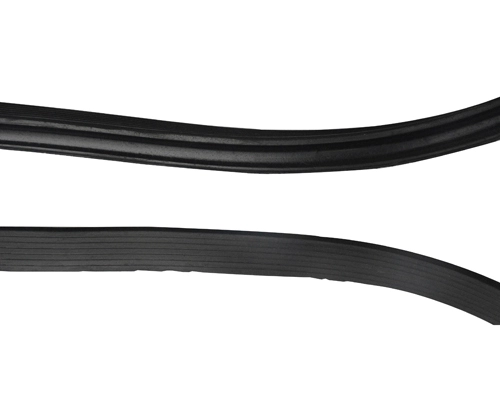
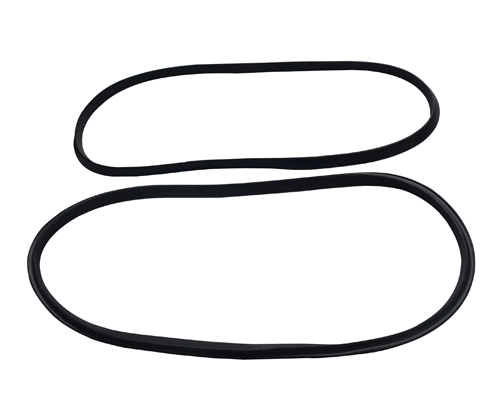
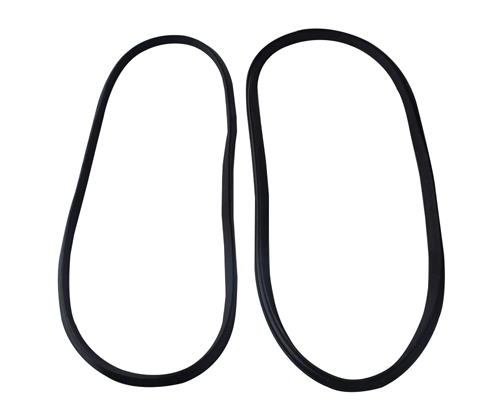
Sewer Pipe Seal Ring Selection by Joint Type
The seal profile must match the mechanical design of the pipe joint.
| Seal Type | Typical Joint | Typical Application | Main Selection Factors |
| Wedge Rubber Ring | Socket-and-spigot joint | Concrete drainage and sewer pipes | Groove shape, joint gap and compression |
| Pipe Jacking Rubber Ring | Jacking pipe connection | Trenchless municipal pipelines | Groundwater, movement and interface tolerance |
| Custom Pipe Joint Ring | Project-specific joint | Concrete, stormwater and underground systems | Drawing, cross-section, material and pressure |
Before selecting a ring, confirm whether the seal is:
Installed in the socket groove
Mounted on the spigot
Pre-installed by the pipe manufacturer
Installed at the construction site
Compressed during insertion
Required to accommodate angular deflection
Exposed to internal wastewater pressure
Exposed to external groundwater pressure
A suitable sewer pipe gasket must create enough contact pressure to seal the joint without being excessively compressed, displaced or damaged during assembly.
How a Sewer Pipe Rubber Ring Creates a Watertight Joint
A sewer pipe rubber ring creates a seal through controlled elastic deformation.
When the pipe sections are connected, the rubber profile is compressed between the socket and spigot surfaces. This compression creates continuous contact pressure around the joint.
Controlled Compression
The ring must be compressed within the range allowed by the joint design.
Insufficient compression may cause:
Low contact pressure
Leakage paths
Groundwater infiltration
Ring movement during operation
Excessive compression may cause:
Difficult pipe insertion
Ring rolling or twisting
Local rubber damage
Excessive installation force
Premature permanent deformation
The correct compression depends on the ring profile, rubber hardness, groove dimensions and joint gap.
Compensation for Dimensional Variation
Rubber elasticity allows the seal to compensate for a controlled range of:
Pipe manufacturing tolerances
Joint clearances
Minor surface irregularities
Installation variation
Limited joint movement
However, a rubber seal cannot compensate for unlimited pipe misalignment or incorrect joint dimensions. Permitted displacement and angular deflection must be defined by the pipe-joint design.
Internal Leakage Control
The seal helps prevent wastewater or stormwater from leaking through the connection into the surrounding soil.
This is important where leakage may cause:
Soil contamination
Ground settlement
Loss of pipeline capacity
Erosion around the joint
Structural deterioration
External Infiltration Control
The joint may also need to prevent groundwater from entering the pipe.
Excessive infiltration can increase:
Wastewater treatment volume
Pumping demand
Sewer network loading
Operating costs
Risk of overflow during wet weather
The seal design should therefore consider both internal and external pressure conditions.
Rubber Material Selection for Sewer Pipe Gaskets
The rubber compound affects elasticity, compression recovery, weather resistance and compatibility with wastewater and the surrounding environment.
Material selection should consider the complete operating condition.
EPDM
EPDM is commonly considered for water, weather, ozone and outdoor exposure.
It may be evaluated for:
Municipal drainage systems
Stormwater pipes
Wastewater joints
Underground concrete pipes
Water-contact sealing
Compatibility with the actual wastewater, temperature and project standard must still be confirmed.
SBR
SBR may be considered for general-purpose rubber sealing applications where elasticity and cost efficiency are important.
Its suitability should be reviewed against:
Wastewater composition
Aging conditions
Temperature
Ozone exposure
Compression-set requirements
Project standards
NBR
NBR is generally considered where oil or petroleum exposure is a significant condition.
It should not be selected for a normal sewer pipe joint unless the expected medium and project requirements justify its use.
Custom Rubber Compounds
A custom compound may be required where the seal is exposed to:
Industrial wastewater
Oils or fuels
Selected chemicals
Unusual temperatures
High external pressure
Special aging requirements
Material availability is subject to application review and manufacturing confirmation.
Why Choose YongHong Sewer Seal Rings?
Drawing-Based Customization
Seals can be developed according to pipe-joint drawings, original samples and socket-and-spigot dimensions.
Multiple Ring Profiles
Wedge, pipe-jacking and custom cross-sections can be evaluated according to the actual joint structure.
Application-Based Material Selection
The rubber compound is reviewed according to wastewater, temperature, pressure, soil exposure and project requirements.
Dimensional Inspection
Critical ring and cross-section dimensions can be inspected against the approved drawing before shipment.
Sample and Batch Support
Prototype, trial and batch-production requirements can be evaluated according to the product structure and order quantity.
More information about YongHong’s manufacturing background is available on our company page.
Maintenance and Care Recommendations for Rubber Sewer Rings
In addition to choosing the right sewer seal ring, you also need to pay attention to its maintenance and upkeep. Here are some suggestions and tips:
Regular Inspection: Regularly inspect the sewer ring for any signs of wear, cracks, or damage. Early detection can prevent leaks and other issues.
Cleaning: Ensure that the area around the sewer seal ring is kept clean. Remove any debris or buildup that could compromise the seal. You can use mild cleaning agents to avoid damaging the material of the seal ring.
Avoid Harsh Chemicals: Be cautious with the use of harsh chemicals or cleaners that could degrade the material of the sewer ring. Opt for products that are safe for use with rubber or the specific material of your sewer seal ring.
Proper Installation: Ensure that the sewer seal ring is properly installed. An improperly installed sewer seal ring can lead to leaks and other issues. If you’re unsure, consult a professional for installation.
Watch for Debris: Avoid allowing foreign objects or solid substances to enter the drain, as they can cause damage to the seal ring. Items such as grease, sanitary napkins, and other debris should be disposed of properly.
Recommended Replacement: Sewer seal rings wear out over time due to exposure to various elements and usage. It is recommended to replace them once a year or as needed to ensure a proper seal and prevent leaks.
FAQ
What is a sewer seal ring?
A sewer seal ring is a rubber gasket installed between the socket and spigot surfaces of connected sewer or drainage pipes. It creates continuous contact pressure around the joint to help control wastewater leakage and groundwater infiltration.
How does a sewer pipe rubber ring prevent leakage?
The rubber ring is compressed when the pipe sections are joined. This controlled compression allows the ring to fill the joint gap and create sealing pressure between the mating surfaces.
Which rubber material is suitable for sewer pipe gaskets?
The material should be selected according to the wastewater composition, temperature, groundwater, soil conditions, pressure, aging requirements and applicable project standard. EPDM, SBR, NBR or a custom compound may be evaluated, subject to application and manufacturing confirmation.
What is the difference between a wedge ring and a pipe-jacking ring?
A wedge ring is generally designed for a matching socket-and-spigot or wedge-type pipe joint. A pipe-jacking ring is designed for trenchless jacking-pipe connections and must account for installation movement, joint tolerance and groundwater conditions.
Can sewer seal rings be manufactured from pipe-joint drawings?
Yes. Custom rings can be evaluated from joint drawings, socket and spigot dimensions, groove dimensions, cross-section sketches or original samples.
What dimensions are required for a custom sewer seal ring?
Required information normally includes the pipe nominal diameter, socket inside diameter, spigot outside diameter, groove width, groove depth, joint gap, seal cross-section and permitted dimensional tolerances.
Can the same seal size be used for all pipes with the same nominal diameter?
Not necessarily. Pipes with the same nominal diameter may use different joint geometries and manufacturing tolerances. The seal must match the actual socket, spigot and groove dimensions.
How should a sewer rubber ring be installed?
The pipe joint should be cleaned and inspected before installation. The ring must be placed in the correct direction, fully seated and checked for twisting or rolling. An approved rubber-compatible lubricant should be used where required.
How are sewer rubber rings inspected?
Inspection may include dimensional measurement, hardness testing, appearance checks, material testing, trial installation and leakage or pressure testing according to the agreed quality plan.
What information is required for a quotation?
Please provide the pipe type, nominal diameter, joint drawing, socket and spigot dimensions, sealing-groove dimensions, rubber material, hardness, pressure conditions, quantity, applicable standard and delivery destination.
-
 Aug 31 , 2026Types of Marine Fenders: A Practical Guide for Ports, Docks and Marine BerthingMarine fenders are energy-absorbing protection systems installed between vessels and berthing structures to reduce impact force during docking, mooring and ship-to-ship operations. For ports, wharves,...
 -
 Aug 31 , 2026How to Seal a Rubber Hose: Practical Methods for Industrial and Marine ApplicationsSealing a rubber hose means creating a leak-resistant connection at the hose end, joint, flange, coupling or damaged area so fluid, slurry, air or water can move safely under the required working cond...
 -
 May 29 , 2026Top 7 Mistakes When Selecting Dredging Hoses and How to Avoid ThemAnd How to Avoid ThemSelecting dredging hoses may look simple on the surface. Many buyers start with diameter, pressure rating, and price. However, in real dredging projects, hose performance depends ...
- Rubber Dredging Hose vs HDPE Pipe: Which One Should You Choose?
- How to Choose the Right Dredging Hose Diameter for Your Project?
- How Dredging Conditions (Sand, Clay, Gravel) Affect Hose Selection
- Dredging Hose Layout Design: Floating, Submerged, and Onshore Configurations
- How to Match Dredging Pumps and Hoses Correctly
- Why Cheap Dredging Hoses Fail in Real Projects
- Floating Hose vs Steel Pipe: Which Is Better for Your Project?