 English
-
When you evaluate suppliers for dredging rubber hoses, the decision should begin with a simple engineering question: what conditions must these hoses survive — and what support does a manufacturer need to produce hoses that do so reliably?
Ship-grade performance, not commodity rubber
Large dredging and reclamation programs require hoses that do more than carry slurry: they must be engineered to interface with cutter-suction dredgers, amphibious units, booster pump stations and floating pipe systems. That means precise flange dimensions, predictable dimensional stability for large bores, consistent wear-resistant linings, and documented test performance (burst, abrasion, fatigue). These requirements are typical of shipboard or marine-equipment standards rather than of general industrial hose markets.
In short: the market for dredging hoses is a shipbuilding/engineering market. Suppliers who thrive here need to operate to ship-grade expectations, often working alongside dredge pipe suppliers to ensure system integration.
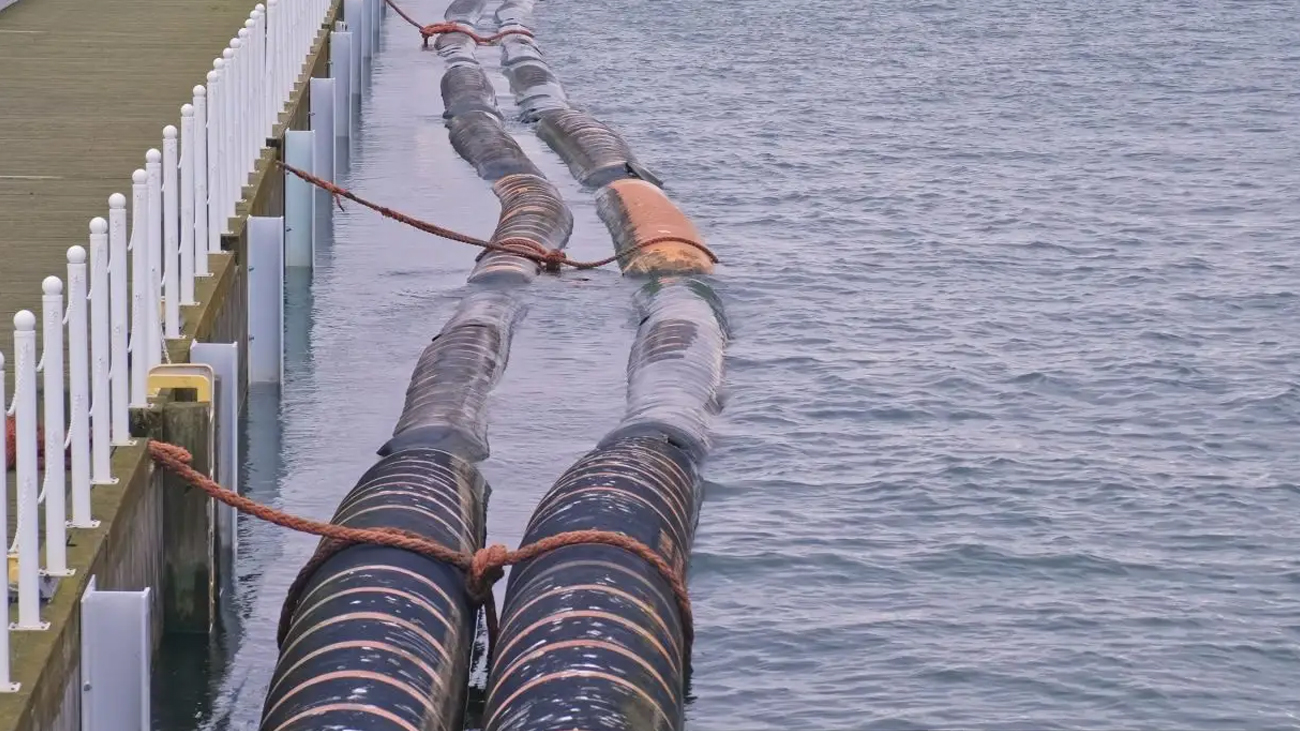
Zhenjiang ( Danyang): the ecosystem that aligns with dredging demands
Zhenjiang — and the nearby Danyang area — sits at a strategic point on the Yangtze River and has developed one of China’s most complete shipbuilding and marine equipment ecosystems. As of 2023 the region supported some 70 ship and marine equipment manufacturers and about 49 specialized ship-support companies. This concentration includes large local players and international names in marine systems, along with a dense network of specialist suppliers and testing resources.
What does that mean in practice?
A deeper engineering understanding of dredging equipment needs
More precise flange, pipe, and system integration standards
Faster customization and technical feedback loop
Higher consistency for large-diameter and long-length hoses
QC standards aligned with marine engineering norms
These are not abstract advantages. They translate directly into more uniform rubber thicknesses, stronger layer bonding, better flange alignment and lower failure rates in long-cycle operations — precisely the performance traits that matter in marine dredging. This is why many dredge hose suppliers focus their efforts here.
Why can't other regions often replicate this dynamic?
Some provinces have many hose factories, and others can undercut on price. But when production is geographically scattered, or when suppliers serve a wide range of low-spec end-markets, several risks emerge: inconsistent compounding, long lead times for specialized inputs, more frequent outsourcing/triage of production steps, and weaker in-region testing support. For one-off project needs or complex dredging systems, these gaps materialize as quality and schedule risk — the very items you cannot afford in large reclamation or continuous pumping campaigns.
Pay a modest premium for far less risk
Because Zhenjiang / Danyang’s manufacturers are embedded in shipbuilding and marine equipment networks, hoses from this area typically command a 10–20% premium versus lower-cost regions. But for project buyers that premium buys:
Fewer unplanned replacements
Better fit with dredger systems and pumping equipment
Easier access to technical documentation and approval evidence
Faster, locally available problem-solving when issues appear on site
Viewed as total cost of ownership, the regional premium is risk mitigation — and in marine dredging, risk mitigation is often the most profitable investment. This includes advanced products such as self floating hose and specialized ship sealing solutions.
Looking for a Trusted Supplier in the Zhenjiang/Danyang Region?
Danyang Yonghong Marine Rubber is based in this exact industrial cluster and offers:
Floating hoses, discharge hoses, suction hoses, armored hoses, and customized assemblies, including dredge hose for sale tailored to project requirements
Marine-grade materials designed for high-wear dredging applications and marine fender China quality standards
Technical drawings and test reports for engineering approval
Reliable export support and on-time delivery
If you need technical consultation, samples, or a quotation for an upcoming project, we are ready to support you with a dependable solution.
Popular Insights into Dredging Hoses and Sealing Elements
- How to Design a Dredging Pipeline System (Step-by-Step Guide)
- How to Match Dredging Pumps and Hoses Correctly
- Types of Dredging Hoses Suitable for Capital Dredging Works
- The Difference Between Dredge Discharge Hose and Dredging Hose
- Maintenance Tips for Prolonging the Life of Your Dredging Hoses
- Unleash the Power of Your Projects with Advanced Sand Suction and Discharge Rubber Hoses