 English
-
China is one of the world’s major production hubs for dredging rubber hoses, supplying global markets in maritime engineering, port construction, river maintenance, and land reclamation. However, the manufacturing capacity is not evenly distributed. Instead, it has formed several regional clusters, each with distinct characteristics, strengths, and limitations.
This article provides a structured overview of where China’s dredging rubber hose factories are located, why they developed there, and what buyers should know when selecting suppliers from different regions.
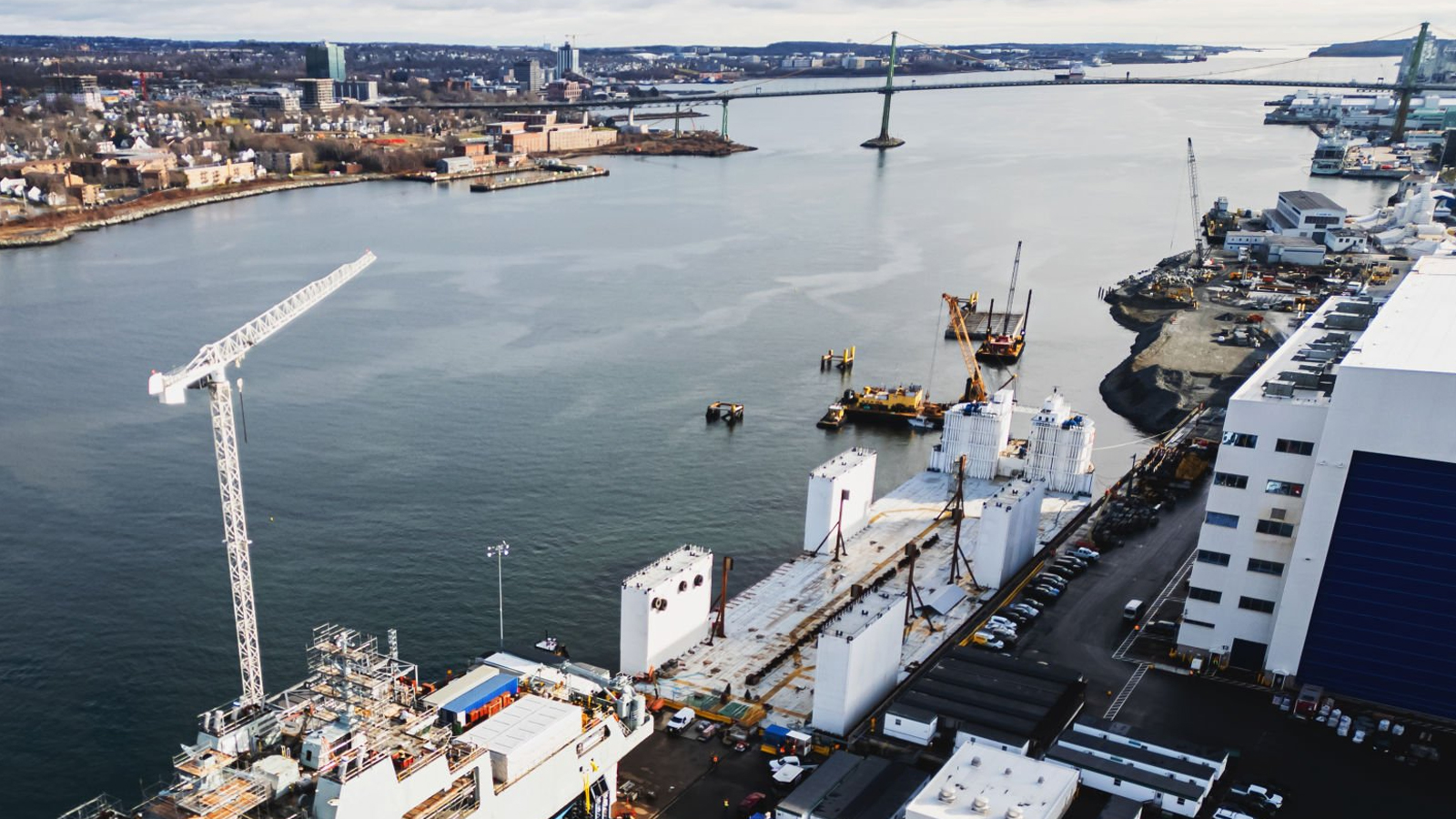
1. The Three Main Dredging Rubber Hose Production Regions
China’s dredging hose industry primarily clusters around:
① Jiangsu Province (Zhenjiang / Danyang area) — The High-End, Shipbuilding-Driven Cluster
Known for the strongest shipbuilding and marine engineering supply chain in China.
Home to major shipyards and global marine-equipment companies.
Manufacturers here focus on high-quality, export-grade hoses used in:
Cutter suction dredgers
Amphibious dredgers
Trailing suction hopper dredgers
Booster stations for long-distance slurry delivery
Core characteristics:
Strong engineering capabilities
Access to advanced materials and testing facilities
Stable quality control culture
High suitability for offshore or large-scale government projects
Price slightly higher, but reliability far superior
This region has become the technical benchmark for China’s dredging hose industry, favored by many dredge hose suppliers.
② Shandong Province — The Volume-Driven, Mid-Market Cluster
Shandong has a large number of rubber product factories, and many extended into dredging hoses.
Core characteristics:
Competitive pricing
Large production scale
Suitable for domestic projects and cost-sensitive overseas markets
However:
Product standards vary significantly from factory to factory
Less connection to shipbuilding industrial standards
Engineering support and documentation tend to be limited
For buyers prioritizing economy over long-term durability, this region offers many options, including dredge hose for sale at competitive prices.
③ Hebei & Tianjin — The Traditional Rubber-Industry Belt
These regions are known for traditional rubber manufacturing (tires, industrial hoses, pipes).
Core characteristics:
Mature rubber-processing experience
Ability to produce standard dredging hoses
Typically serve local river and construction projects
Limitations:
Fewer factories specialize exclusively in dredging hoses
Less advanced testing infrastructure for marine applications
Limited experience with offshore-class durability
Suitable mainly for inland dredging applications or mid-range project requirements.
2. Why These Clusters Emerged?
The current industrial distribution is shaped by:
• Shipbuilding proximity
High-end dredging hoses are deeply connected to cutter suction dredgers, booster stations, and offshore support vessels.→ This explains why Zhenjiang/Danyang—a core shipbuilding region—leads the industry, also attracting dredge pipe suppliers with marine-grade expertise.
• Rubber industry foundations
Shandong and Hebei have long histories of rubber manufacturing.
→ This allowed them to easily diversify into dredging hoses and related products such as marine fender China solutions.
• Infrastructure and logistics
Coastal provinces like Jiangsu and Shandong benefit from:
Port access
Export logistics
Better compliance with international inspections
• Domestic engineering demand
Major dredging projects in the Yangtze River, Yellow River, and coastal zones stimulated local supply chains.
Depending on your project type, different regions may make more sense:
Project Type | Recommended Region | Reason |
Offshore dredging / marine engineering | Jiangsu (Zhenjiang/Danyang) | Best quality, strongest shipbuilding ecosystem |
Government or EPC projects requiring documentation | Jiangsu | Most complete certification and testing support |
Budget-driven commercial projects | Shandong | More cost-effective suppliers |
Inland river maintenance | Hebei / Tianjin | Suitable for simpler specifications |
China’s dredging rubber hose factories are concentrated in three major production belts, and each region evolved based on its own industrial environment.
Jiangsu (Zhenjiang/Danyang): Premium, export-grade, shipbuilding-level reliability
Shandong: Competitive pricing, wide factory base
Hebei/Tianjin: Traditional rubber hubs suitable for mid-range needs
Understanding these differences helps overseas buyers make informed sourcing decisions aligned with project risk levels, durability expectations, and budget constraints. For projects requiring ship sealing, partnering with experienced local manufacturers ensures compliance with marine standards and long-term performance.
Popular Insights into Dredging Hoses and Sealing Elements
- What is foating hose bending test?
- Application of Dredging Rubber Self-Floating Hose in Port Maintenance
- 2025 Floating Dredging Hose Market Analysis Report
- How to Choose the Right Dredging Rubber Hose Supplier in China?
- Maintenance Tips for Prolonging the Life of Your Dredging Hoses
- How Dredging Rubber Hoses Work with Different Types of Dredgers?