 English
-
With 36 years of experience in pipeline operations , I’ve dedicated my career to optimizing dredging projects through innovative techniques and the use of high-performance rubber hoses. My work has contributed to numerous coastal dredging projects across China, where I’ve focused on ensuring the reliability and efficiency of dredging hoses in some of the most challenging environments. My innovations, have transformed pipeline installation and maintenance, maximizing the performance of dredging hoses while reducing costs.
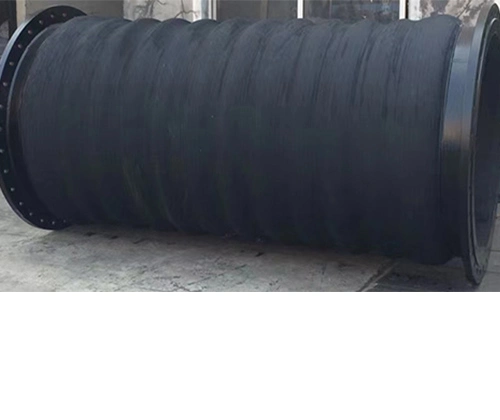
Dredging hoses are the lifeline of any dredging operation, designed to withstand the abrasive flow of seabed silt under high pressure. My daily inspections involve patrolling pipelines that stretch over ten kilometers, using a detection hammer to assess hose condition. Years of experience have sharpened my ability to detect wear by sound alone. During a Tianjin Port project, an unusual sound at a hose connection revealed a wall thickness of just 23 millimeters—well below the standard 50 millimeters—prompting immediate replacement to prevent failure. This underscores the importance of robust, corrosion-resistant rubber hoses that can endure constant silt transport.
In 2006, a Tianjin Port dredging project presented a unique challenge: large trailing suction dredgers required 1.1-meter-diameter hoses, each weighing 7 tons. The soft, silty terrain made traditional installation methods impractical. I developed the grooved track transporter and connection gantry, which streamlined the handling and connection of these massive hoses. This innovation increased installation speed from two hose sections per day to five, saving significant pipeline material and approximately 5 million yuan in costs. These advancements highlight the need for durable, flexible hoses that can be efficiently installed in demanding conditions.
For long-distance dredging, rapid hose connections are critical to maximizing dredger uptime. I pioneered a method using inflatable rubber buoys instead of traditional pontoon platforms for ship-to-shore hose connections. This approach, now widely adopted in major Chinese dredging projects, enhances safety, reduces wave interference, and minimizes labor needs while protecting vessels from damage. It relies on high-quality rubber hoses that maintain structural integrity under dynamic marine conditions, ensuring seamless silt transfer.
The success of these innovations depends on the quality of the dredging hoses themselves. They must be engineered for durability to resist abrasion, flexibility for secure connections, and reliability to minimize downtime. My methods ensure these hoses are installed and maintained efficiently, optimizing dredging operations. As I share my expertise, I emphasize the critical role of advanced hose technology in driving project success. After 36 years, I remain passionate about advancing dredging efficiency through innovative techniques and the best rubber hoses available.
- How Dredging Conditions (Sand, Clay, Gravel) Affect Hose Selection
- Case Study: Small Dredging Project at a Local Marina
- Comparison of Floating Rubber Hose with Other Types of Hoses
- What is foating hose bending test?
- How to Choose Suitable Flexible Dredge Hose
- Total Hose Solution for Dredging Projects