English
-
-
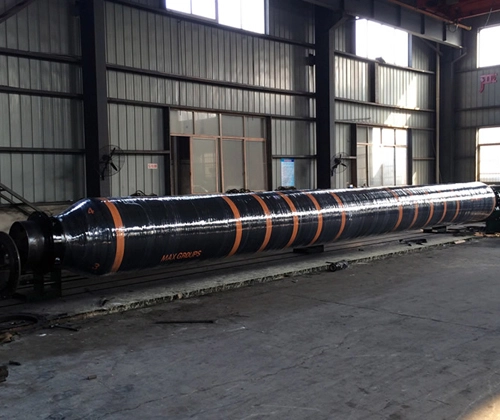
Why Rubber Dredging Hoses Are Black and Orange?Jan 23,2026When you look at a high-performance dredging hose, one of the first things you notice is its distinctive appearance: a rugged black hose body combined with a bright orange spiral or a durable orange p...More23Jan
-
What You Need to Know Before Selecting Floating Hoses for Dredging Projects?Jan 22,2026Floating hoses are a critical component in modern dredging operations — especially for capital dredging, port construction, land reclamation, and deepwater sediment transport. The right floating hose...More22Jan
-
How Self-Floating Hoses Solve the Dredging “Traffic Jam”?Jan 21,2026In the world of marine construction, dredging is the vital process of moving sediments to maintain shipping channels, restore beaches, or remediate the environment. While the massive dredging vessels ...More21Jan
-
Dredging Pipe vs. Dredging HoseJan 20,2026When we think of dredging—the process of (re)moving sediments for mining, navigation, or environmental remediation—we often focus on the massive ships and their powerful cutters. However, the most ...More20Jan
-
Dredging Hoses in Hydraulic and Mechanical OperationsJan 19,2026A common misconception in the marine infrastructure and dredging industry is that “dredging hoses”—often labeled as hydraulic dredging hoses—are exclusively designed for hydraulic dredgers such as...More19Jan
-
Why Suction Hoses Aren’t Designed as Self‑Floating?Jan 06,2026In current dredging practice, there is almost no need for a “self‑floating suction hose”, so it has not evolved into a standard product category. Where the suction hose actually works?On both cutter su...More06Jan
Related Industrial Rubber Products