 English
-
The Maldives, renowned for its pristine lagoons and scattered islands, has recently witnessed one of its most significant infrastructure achievements — the dredging and reclamation project on Thilafushi Island, also known as the nation’s emerging “industrial island.”
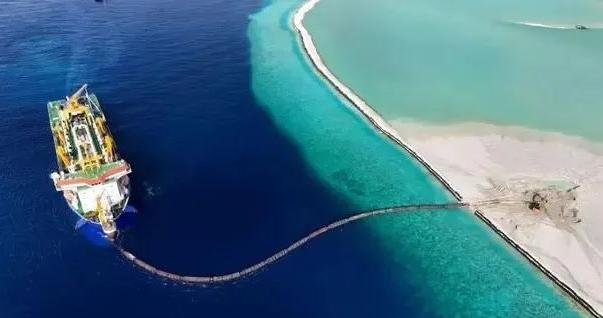
The project involved approximately 300,000 cubic meters of dredging, 5.3 million cubic meters of sand backfilling, the construction of 9 kilometers of coastal protection, and 8 kilometers of roadway works. It represented a milestone in the country’s ongoing effort to expand its usable land area for industrial, residential, and tourism purposes.
The Thilafushi project marked an important shift in the regional dredging landscape. It was the first large-scale dredging and reclamation project undertaken by a Chinese contractor in the Maldives, breaking the long-standing dominance of European dredging companies in the area.
Beyond its technical scale, the project demonstrated the engineering capability and operational reliability of Chinese contractors in managing complex marine works under tropical, high-salinity conditions. Its successful completion contributed to the foundation of the Maldives’ future industrial development and coastal infrastructure.
The Role of Dredging Equipment and Hoses
Reports from March 2023 indicated that Thilafushi’s reclamation entered a new phase, underscoring the scale of dredging and fill operations in the Maldives and the consequent need for high-performance dredging components. (See Dredging Today, 20 March 2023.)
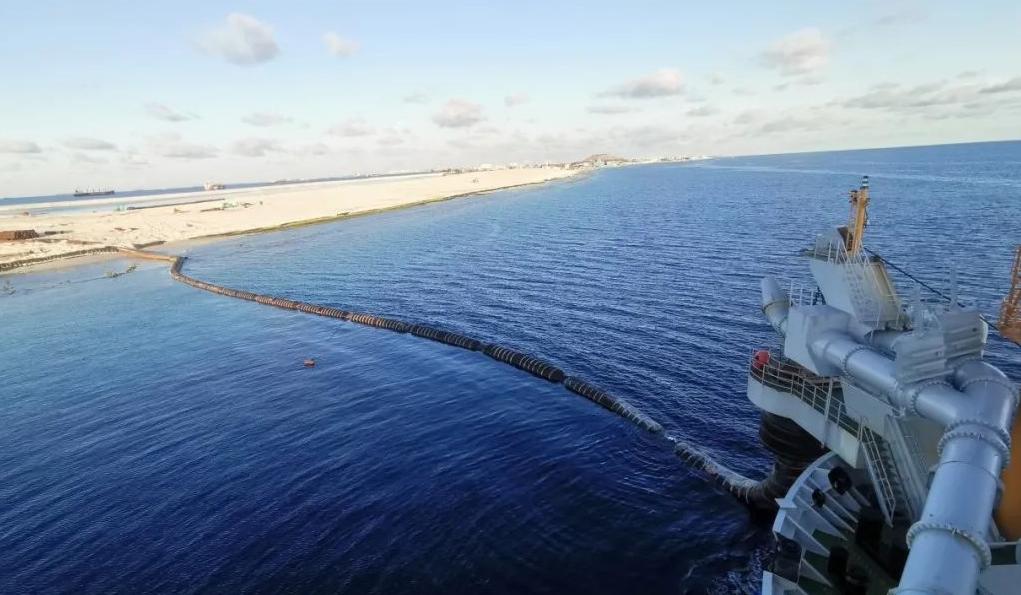
Throughout the project, an integrated dredging system — including cutter-suction dredgers, floating pipelines, and dredging rubber hoses — played a central role in achieving operational efficiency. These systems were essential for transporting millions of cubic meters of sand and sediment from the seabed to designated fill zones.
Among them, dredging rubber hoses served as the critical connecting component between floating pipelines and discharge outlets. Their performance directly affected the overall efficiency of slurry transport, particularly under conditions of high pressure, long-distance discharge, and continuous operation.
Engineering for Durability and Reliability
The tropical marine environment of the Maldives posed considerable challenges for dredging hoses: saltwater corrosion, UV exposure, high temperatures, and constant mechanical flexing. To meet these demands, modern dredging hoses were designed with multi-layer reinforcement, abrasion-resistant inner linings, and customized end fittings to ensure both flexibility and strength during extended use.
A well-engineered hose not only prevents slurry leakage and abrasion damage but also contributes to consistent flow performance — reducing downtime and maintenance frequency throughout the dredging cycle.
Supporting Reliable Performance in Marine Projects
At YH Rubber Hose, we have continued to support international dredging and reclamation works with durable, high-performance hose solutions designed for demanding marine environments.
Our product line — including self floating hose, discharge hose, and suction hose series — offers outstanding abrasion resistance, flexibility, and compatibility with various dredging systems. These hoses are engineered to perform reliably in long-distance transport, heavy slurry discharge, and nearshore operations, ensuring smooth performance from the dredger to the reclamation site.
The Thilafushi reclamation project stands as a strong example of how advanced dredging equipment and reliable hose systems can contribute to national development goals. As the Maldives continues to expand its reclaimed land for industrial and tourism purposes, the need for dependable, long-lifespan dredging components will remain critical.
YH Rubber Hose remains dedicated to supporting contractors and marine engineers worldwide with high-quality dredging hose solutions, helping ensure every project delivers both performance and longevity.
Discover our full range of dredging rubber hose solutions, designed for efficiency, durability, and performance across a variety of marine engineering applications.
Popular Insights into Dredging Hoses and Sealing Elements

- Dredging Hose Selection Questionnaire
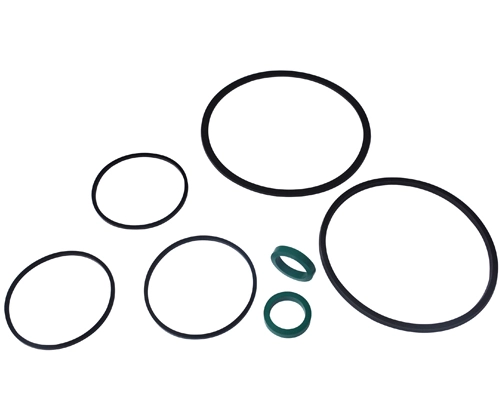
- Product Characteristics of Yonghong Sealing Rings for Ships
- How to Design a Dredging Pipeline System (Step-by-Step Guide)
- What Is the Difference Between Armored Hoses and Common Rubber Hoses?
- What is foating hose bending test?
- Situation and Development of the Dredge Rubber Hose