 English
-
In dredging and slurry transport systems, one of the most common design questions is:
Should you use self-floating hoses or steel pipes?
The answer is not about which is “better” in general—it’s about which is better for your specific project conditions. In practice, most successful dredging operations use a combination of both, but understanding their differences is essential for making the right decisions.
1. The Fundamental Difference
Floating Hoses
· Flexible rubber hoses with built-in or external buoyancy
· Designed to float on water
· Absorb movement from waves, tides, and dredger repositioning
Steel Pipes
· Rigid pipeline sections (typically carbon steel or HDPE-lined steel)
· Designed for structural strength and long-distance transport
· Require external support (pontoons, floats, or seabed placement)
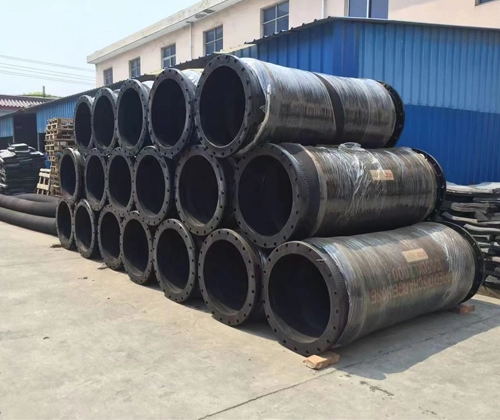
2. Key Comparison at a Glance
Aspect | Floating Hose | Steel Pipe |
Flexibility | Excellent | None |
Mobility | High | Low |
Installation speed | Fast | Slower |
Pressure capacity | Medium–High | High |
Abrasion resistance | High (internal) | High (with lining) |
External durability | Moderate | Very high |
Maintenance | Easier replacement | More complex |
Cost (initial) | Higher per meter | Lower per meter |
Cost (system) | Lower in dynamic areas | Lower in stable long-distance lines |
3. When Floating Hoses Are the Better Choice
Floating hoses are ideal when flexibility and movement are required.
Typical scenarios:
· Near dredgers (CSD, amphibious dredgers)
· Floating pipeline sections on open water
· Areas affected by waves, tides, or vessel movement
· Projects requiring frequent repositioning
· Congested waterways where pipeline needs to be adjusted quickly
Why they work:
· They absorb dynamic forces instead of resisting them
· They reduce stress on pumps and connections
· They allow continuous operation without dismantling the system
In these conditions, using steel pipes alone often leads to stress, misalignment, or failure.
4. When Steel Pipes Are the Better Choice
Steel pipes are more suitable for long-distance, stable transport.
Typical scenarios:
· Straight pipeline runs over long distances
· Onshore transport to disposal or reclamation areas
· Seabed pipelines where movement is minimal
· High-pressure pumping systems
Why they work:
· Strong structural integrity
· Lower cost per meter
· Better suited for fixed installations
· Higher resistance to external impacts
For long, stable sections, steel pipes provide the most cost-effective solution.
5. The Real Answer: Most Projects Need Both
In real dredging projects, the most effective solution is rarely one or the other.
Typical system design:
· Floating hoses → near dredger and water surface
· Steel pipes → long-distance transport
· Rubber discharge hoses → transition and connection points
This hybrid approach provides:
· Flexibility where movement exists
· Strength where stability is required
· Optimized cost and performance
This is often referred to as a “Total Hose & Pipeline Solution.”
6. Key Decision Factors
When choosing between floating hoses and steel pipes, consider:
Project conditions
· Water vs land
· Wave and tidal activity
· Navigation requirements
Operational requirements
· Continuous vs intermittent operation
· Need for repositioning
· Installation time constraints
Material characteristics
· Abrasiveness of slurry
· Solid concentration
Economic factors
· Installation cost
· Maintenance cost
· Replacement frequency
7. Common Mistakes to Avoid
· Using steel pipes in dynamic floating conditions
· Overusing floating hoses in long, stable pipelines
· Ignoring transition points between pipe and hose
· Designing based on price instead of system performance
Conclusion
Floating hoses and steel pipes are not competitors—they are complementary components in an efficient dredging system.
· Floating hoses provide flexibility, adaptability, and operational continuity
· Steel pipes provide strength, durability, and cost efficiency over distance
The best solution is to use each where it performs best.
Need Help Choosing the Right Configuration?
Every dredging project has unique challenges. Selecting the right combination of floating hoses and steel pipes requires an understanding of both engineering conditions and real-world operations.
As one of the dedicated dredge rubber hose manufacturers, we support dredging contractors and equipment suppliers with:
· Self-floating hoses and discharge hoses
· Armored and suction hoses for different environments
· Pipeline layout recommendations
· Technical drawings and system matching
Contact us to discuss your project and get a tailored dredging pipeline solution.
- Rubber Dredging Hose vs HDPE Pipe: Which One Should You Choose?
- What Makes a High-Quality Dredging Rubber Hose?
- Dredging Hose Layout Design: Floating, Submerged, and Onshore Configurations
- Maintenance Tips for Prolonging the Life of Your Dredging Hoses
- Rubber Fender For Ship: A New Type of Fender Equipment
- Optimizing Sand Dredging in Australia: The Role of Custom Rubber Dredge Hoses