 English
-
In dredging systems, pumps and hoses must work as a single integrated system. Even a high-performance pump can underperform—or fail—if the hose is incorrectly selected. Likewise, a well-built hose will not deliver expected results if it is mismatched with pump conditions.
Correct matching ensures:
· Stable slurry flow
· Reduced wear and energy loss
· Lower risk of blockage or failure
· Longer service life for both pump and hose
This guide explains how to properly match dredging pumps and hoses in real-world applications.
1. Start with Pump Parameters
Every hose selection should begin with the pump.
Key pump data to define:
· Flow rate (m³/h)
· Discharge pressure (bar)
· Suction pressure / vacuum level
· Pump type (centrifugal, booster, submersible)
The hose must be able to handle both the pressure and the flow conditions generated by the pump.
2. Match Hose Diameter to Flow Rate
The hose diameter directly affects flow velocity and efficiency.
Key principle:
· Too small → high velocity → excessive wear and pressure loss
· Too large → low velocity → sedimentation and blockage
Target slurry velocity:
3–5 m/s (depending on material)
Example:
If your pump delivers high flow but the hose diameter is too small:
· Increased friction
· Faster inner lining wear
· Higher energy consumption
3. Align Pressure Ratings with Pump Output
The hose must safely withstand pump pressure.
Guidelines:
· Working pressure ≥ pump discharge pressure
· Burst pressure ≥ 3 × working pressure
Also consider:
· Pressure spikes during startup or blockage
· Additional pressure from long-distance pumping
Underestimating pressure rating is one of the most common causes of hose failure.
4. Consider Slurry Characteristics
The nature of the slurry significantly affects hose selection.
Important factors:
· Particle size (fine sand vs gravel)
· Solid concentration (%)
· Abrasiveness
Impact on hose selection:
· Higher abrasion → thicker inner lining required
· Larger particles → stronger structure needed
· Dense slurry → higher pressure load
The pump may operate normally, but the hose will fail early if not matched to slurry conditions.
5. Balance Flexibility and Structural Strength
Different sections of the pipeline require different hose characteristics.
Near the pump / dredger:
· High pressure
· Movement and vibration
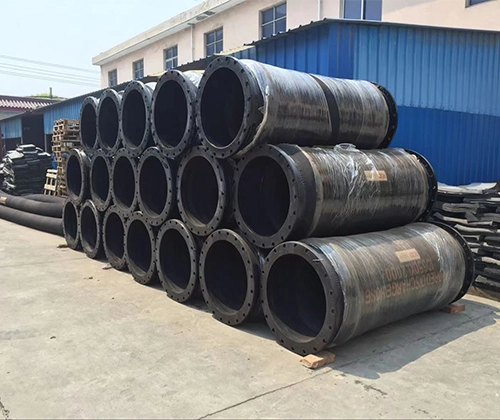
→ Requires strong yet flexible dredge discharge hoses
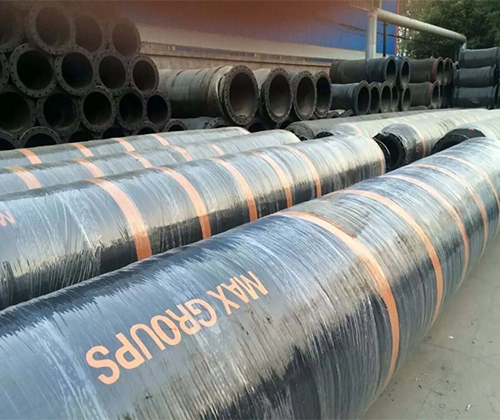
Floating pipeline:
· Subject to waves and movement
→ Requires floating hoses with good flexibility
Suction side:
· Negative pressure
→ Requires anti-collapse suction hoses
Matching hose type to system position is critical.
6. Account for Pipeline Layout and Distance
The longer the pipeline, the more important system matching becomes.
Consider:
· Total pipeline length
· Elevation changes
· Number of bends
· Booster pump positions
Long pipelines increase:
· Pressure loss
· Load on hoses
· Risk of system instability
Proper matching ensures efficient energy use and reduces wear.
7. Don’t Ignore Dynamic Conditions
Real dredging environments are not static.
Dynamic factors:
· Waves and tides
· Vessel movement
· Pipeline shifting
· Installation misalignment
These require hoses that can:
· Absorb movement
· Maintain sealing under stress
· Prevent twisting or kinking
8. Think in Systems, Not Components
The biggest mistake in dredging projects is treating pumps and hoses as separate purchases.
In reality, they must be selected together as part of a Total Dredging System, including:
· Pump performance
· Hose type and structure
· Pipeline layout
· Operating conditions
Common Mistakes to Avoid
· Selecting hose after pump without recalculating system conditions
· Choosing diameter based only on availability
· Ignoring slurry characteristics
· Underestimating pressure requirements
· Using one hose type for all sections
Conclusion: Proper Matching Improves Performance and Reduces Risk
Correctly matching dredging pumps and hoses ensures:
· Stable operation
· Reduced wear and maintenance
· Lower total cost of ownership
In contrast, mismatched systems lead to:
· Frequent failures
· Reduced efficiency
· Increased project risk
Dredge rubber hose suppliers with real dredging experience—especially those based in marine engineering clusters like Jiangsu Zhenjiang/Danyang—can provide valuable support in matching pumps and hoses effectively.
Need Help Matching Pumps and Hoses for Your Project?
As one of the professional dredge rubber hose manufacturers, YongHong supports dredging contractors and engineers with:
· Complete dredging hose solutions
· Pump–hose compatibility guidance
· Technical calculations and recommendations
· Custom configurations for different dredging systems
Contact us to discuss your project and ensure optimal system performance.
- Dredging Hoses in Hydraulic and Mechanical Operations
- Types of Dredging Hoses Suitable for Capital Dredging Works
- The Difference Between Dredge Discharge Hose and Dredging Hose
- Comparison of Two Dredging Methods
- The Advantages of Zhenjiang Dredging Rubber Hose
- Comparison of Floating Rubber Hose with Other Types of Hoses