 English
-
Sealing a rubber hose means creating a leak-resistant connection at the hose end, joint, flange, coupling or damaged area so fluid, slurry, air or water can move safely under the required working conditions. For industrial, marine and dredging applications, the right sealing method depends on hose type, pressure, media, temperature, diameter and connection design.
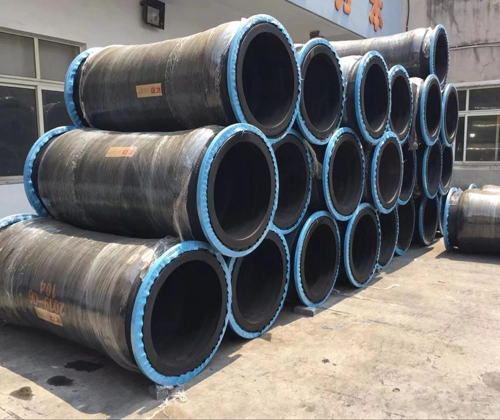
Yonghong provides industrial rubber hose products, dredge rubber hose and rubber sealing elements such as O-rings, V-rings, oil seals and gate sealing rings for demanding dredging, marine, municipal and docking applications. The company is a designated production base for marine rubber for the China Dredging Association and has ISO9001:2000 quality system certification.
What Does It Mean to Seal a Rubber Hose?
Sealing a rubber hose means preventing leakage by matching the hose body, fitting, clamp, gasket or sealing ring to the pressure, media and mechanical movement of the system. A good seal is not only tight at installation; it must remain stable during vibration, bending, pressure change and long-term operation.
In low-pressure water or drainage systems, sealing may be done with hose clamps and barbed fittings. In hydraulic, dredging or marine systems, sealing often requires engineered couplings, flanges, gaskets, molded hose ends or professionally crimped assemblies. For reinforced hydraulic hose assemblies, ISO 18752:2025 defines specifications for wire- or textile-reinforced single-pressure rubber hose assemblies, so buyers should treat pressure rating and hose construction as part of the sealing decision, not as afterthoughts.
If a hose is cracked, swollen, deeply abraded or leaking through the wall, sealing tape or glue is usually only a temporary emergency measure. For pressurized or safety-critical service, replacement is usually the safer option.
How to Seal a Rubber Hose Step by Step
Sealing a rubber hose is the process of inspecting the leak point, selecting the correct sealing method, preparing the surface and connection, tightening the joint correctly, and testing the assembly before operation. The goal is to restore sealing performance without damaging the hose structure.
First, shut down the system, release pressure and drain the hose if needed. Never inspect a pressurized leak by hand, especially in hydraulic systems. The UK HSE warns that high-pressure fluid release can inject fluid under the skin and lead to severe injury, including possible surgery or amputation. High-pressure fluid injection hazards should be treated as a safety concern before any repair work begins.
Second, identify where the leak occurs. A leak at the hose end often means the fitting, clamp, gasket or flange seal is loose or incompatible. A leak from the hose wall usually means the hose body is damaged. A leak at a flange may require gasket replacement or bolt retightening in the correct sequence.
Third, clean and dry the connection area. Dirt, slurry, rust, oil and old sealant can prevent gaskets or rings from seating correctly. For marine or dredging hoses, also check whether abrasion, impact or bending has damaged the outer cover or reinforcement.
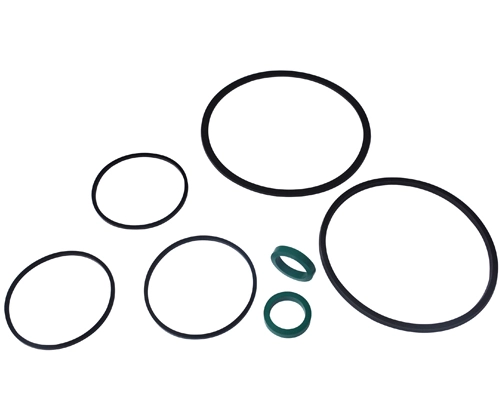
Fourth, install the correct sealing component. This may be a gasket, O-ring, hose clamp, flange seal, coupling seal, or custom rubber seal. YH Rubber Hose supplies rubber sealing elements including gate sealing rings, O-rings, V-rings, oil seals and sewer rubber rings for industrial and marine rubber applications.
Finally, test the hose at controlled pressure before returning it to service. SAE J343 covers test procedures for SAE 100R hydraulic hose assemblies, while SAE J1273 provides guidance for selection, installation, replacement, maintenance and storage of hydraulic hose assemblies. These references show why leak checks and correct assembly practices matter in pressurized hose systems. SAE J343 hose assembly testing SAE J1273 hydraulic hose assembly practices
Rubber Hose Sealing Methods Comparison
Rubber hose sealing methods differ by pressure level, repair purpose, connection style and long-term reliability. The table below helps buyers choose a practical method instead of using one repair approach for every hose.
| Sealing Method | Best Use | Advantages | Limitations |
|---|---|---|---|
| Hose Clamp + Barbed Fitting | Low-pressure water, air or drainage hose | Simple, low cost, easy to adjust | Not ideal for high pressure or severe vibration |
| Crimped Fitting | Hydraulic and industrial hose assemblies | Strong, consistent, professional sealing | Requires correct equipment and matching fittings |
| Flange + Gasket | Large-diameter dredge and marine hose | Suitable for heavy-duty connections | Needs correct gasket, bolt torque and alignment |
| O-Ring / V-Ring / Oil Seal | Sealing grooves, pumps, valves and rotating parts | Compact and reliable when correctly sized | Sensitive to material compatibility and surface finish |
| Rubber Sleeve / Coupling | Temporary or low-pressure joining | Useful for field adjustment | Not a substitute for damaged high-pressure hose replacement |
| Adhesive / Sealant | Small non-critical leaks or temporary sealing | Fast emergency support | Limited durability under pressure, oil, heat or flexing |
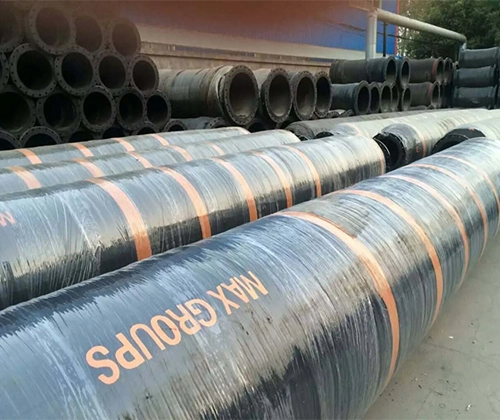
For large-diameter dredging hoses, flange sealing is often more suitable than simple clamping because the hose must handle slurry, bending, floating movement and pump pressure. Yonghong’s self-floating rubber hose can be configured by diameter, length, pressure rating, reinforcement, buoyancy layer, flange connection and product marking according to order specification.
Material compatibility is also important. For example, silicone seal rings can offer high-temperature resistance and Yonghong’s product page notes resistance up to 200°C or above, but silicone is not automatically the best choice for every oil, slurry or chemical environment.
When Should You Repair, Reseal or Replace a Rubber Hose?
Choosing whether to repair, reseal or replace a rubber hose means judging whether the problem is only at the connection or inside the hose structure. Connection leaks may often be solved by replacing a gasket, retightening a flange or using the correct seal ring, while hose-body damage usually requires replacement.
Resealing may be reasonable when the hose body is intact, the leak is at a removable joint, and the pressure rating has not been compromised. Replacement is recommended when the hose shows deep cracks, reinforcement exposure, blistering, severe abrasion, permanent kinking, swelling, aging, or repeated leakage after tightening.
For dredging and marine operations, downtime can be expensive, but a weak temporary repair may cause larger failure later. Yonghong manufactures mud discharging and suction rubber hoses, dredging hoses, fenders, mud door liners, mud pump inlet retaining rings and multiple sealing elements, making it suitable for buyers who need both hose products and matched sealing support.
Conclusion
Sealing a rubber hose correctly starts with safety, pressure release and leak diagnosis. A clamp may work for low-pressure service, but industrial, hydraulic, marine and dredging hoses often require matched fittings, flanges, gaskets, crimped assemblies or molded sealing elements.
For long-term reliability, buyers should choose sealing methods based on hose construction, working pressure, media, temperature, movement and connection design. Yonghong supports demanding dredging and marine projects with industrial rubber hoses, dredge rubber hose products and sealing elements designed for harsh operating environments.
FAQ
1. Can I seal a rubber hose with tape?
Tape may help as a temporary low-pressure emergency measure, but it is not reliable for hydraulic, marine, dredging or safety-critical hoses.
2. What is the best way to seal a leaking hose end?
For a hose-end leak, inspect the fitting, clamp, gasket or flange first. Replacing the seal or using the correct coupling is usually better than adding more sealant.
3. Can a cracked rubber hose be repaired?
Small surface cracks may sometimes be temporarily covered, but deep cracks, exposed reinforcement or wall leakage usually mean the hose should be replaced.
4. Why does my rubber hose still leak after tightening the clamp?
The hose may be hardened, the fitting may be the wrong size, the clamp may be uneven, or the sealing surface may be damaged or contaminated.
5. What sealing method is best for large dredging hoses?
Large dredging hoses often use flange connections with suitable gaskets and bolts because they must handle large diameter, slurry flow, bending and harsh marine conditions.
6. Why choose Yonghong for hose sealing solutions?
Yonghong supplies dredge rubber hoses, industrial rubber hoses and sealing elements such as O-rings, V-rings, oil seals and gate sealing rings for demanding marine and dredging applications.
- Introduction of Floating Rubber Hose
- Optimizing Sand Dredging in Australia: The Role of Custom Rubber Dredge Hoses
- Why Rubber Fenders Are Essential Devices For Ships?
- What Is the Difference Between Armored Hoses and Common Rubber Hoses?
- What is foating hose bending test?
- How Dredging Rubber Hoses Work with Different Types of Dredgers?