 English
-
Sand dredging is a cornerstone activity for Australia’s infrastructure and resource sectors — from beach nourishment and port maintenance to sand extraction for construction and industrial uses. The industry operates across a wide range of environments: sheltered river systems, dynamic coastal zones, and offshore sandbanks. At the same time, growing environmental awareness and stricter stewardship expectations are reshaping how operators approach dredging projects, with greater emphasis on reducing turbidity, avoiding habitat damage, and demonstrating regulatory compliance.
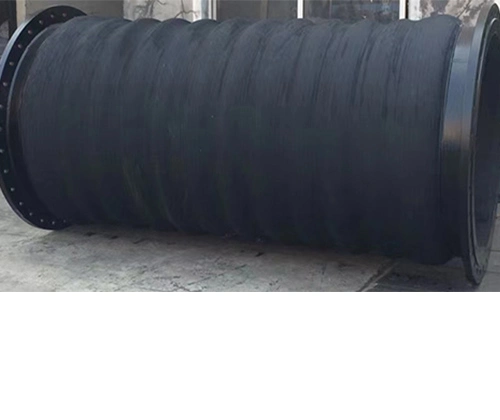
Against this backdrop, custom rubber dredge hoses play an outsized role in balancing operational effectiveness with environmental responsibility. Properly specified hoses improve pumping efficiency, reduce downtime caused by abrasion or failure, and help control sediment discharge characteristics. For bulk purchasers — contractors, port authorities, and large-scale resource companies — choosing the right hose solution is a strategic decision that affects project costs, environmental performance, and operational resilience.
This article explores the critical considerations Australian bulk purchasers should assess when sourcing rubber dredge hoses.
Key technical considerations
- Abrasion and wear resistance: Australian sand frequently contains high silica content, which accelerates internal erosion. Hoses with wear-resistant inner liners (e.g., hard-wearing rubber compounds, reinforced spiral fabric) and replaceable wear sleeves extend service life in abrasive conditions.
- Flexibility and buoyancy: Site geometry, deployment methods, and tidal conditions dictate hose flexibility and negative/neutral buoyancy requirements. Stiffer constructions can handle higher suction pressures but are harder to maneuver around confined quay or dredge deck spaces.
- Pressure and length ratings: Match hose diameter, wall thickness, and reinforcement to pump capacity and expected operating pressures. For long discharge runs common in coastal projects, minimize head losses through optimized internal profiles and larger diameters where feasible.
- Couplings and joints: Robust, corrosion-resistant couplings and quick-connect systems reduce leak risk and simplify field maintenance. Consider systems that allow for in-line replacement of worn sections to reduce downtime.
- Environmental and regulatory compliance: Ensure materials and additives meet relevant Australian standards and environmental regulations. Low-leach compounds and UV/ozone-resistant outer covers reduce environmental risk and degradation from sun exposure.
- Site-specific factors: Salinity, temperature ranges, abrasive particle sizes, and the presence of organic material or debris all influence material selection. Offshore and estuarine projects may need different specifications than inland river dredging.
Procurement and lifecycle considerations
- Supplier capability: Work with manufacturers or fabricators experienced in custom dredge hose solutions and with a track record of testing and field validation.
- Testing and certification: Require hydrostatic testing, abrasion testing, and material certifications. Independent third-party test reports add procurement confidence.
- Logistics and inventory: For remote Australian sites, plan hose spares, couplings, and repair kits in advance to avoid long lead times. Modular hose systems reduce replacement complexity.
- Total cost of ownership: Evaluate initial purchase price alongside expected lifespan, maintenance costs, and downtime implications. Higher-grade hoses often deliver lower cost per cubic meter pumped.
- End-of-life and disposal: Ask about recyclability or safe disposal options for worn hoses to support environmental commitments.
Conclusion
Custom rubber dredge hoses are not a one-size-fits-all commodity; they are engineered components whose specification directly impacts dredging efficiency, environmental footprint, and project cost. Bulk purchasers in Australia should prioritize site-specific design, proven supplier capability, and a lifecycle view of cost and sustainability. Doing so ensures dredging programs meet operational goals while aligning with the country’s evolving environmental expectations.
- How Self-Floating Hoses Solve the Dredging “Traffic Jam”?
- What Makes a High-Quality Dredging Rubber Hose?
- Product Characteristics of Yonghong Sealing Rings for Ships
- Dredging Hose Standards and Testing Explained: What Buyers Really Need to Know
- Types of Marine Fenders: A Practical Guide for Ports, Docks and Marine Berthing
- Introduction of Floating Rubber Hose