 English
-
In dredging and slurry transport systems, rubber hoses are critical components that connect pumps, pipelines, and dredging equipment. However, not all rubber hoses are designed for the same operating conditions. Two commonly used types are armored hoses and common (non-armored) rubber hoses.
Understanding the differences between them helps project owners and contractors choose the right hose for their application — balancing durability, cost, and operational safety.
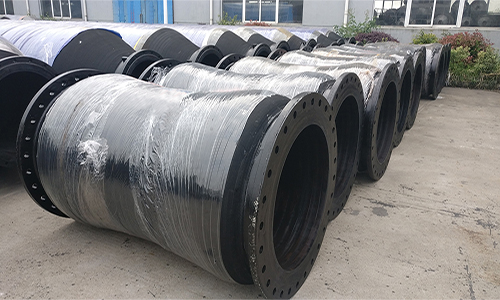
1. Basic Definition
Common Rubber Hoses
Common rubber hoses are constructed with:
An inner wear-resistant rubber lining
Reinforcement layers (textile or steel cord)
An outer rubber cover
They are designed primarily to handle internal pressure and abrasion from slurry under normal operating conditions.
Armored Rubber Hoses
Armored hoses have the same internal structure as common rubber hoses but add:
An external protective layer, usually steel rings, chains, or metal armor
This armor protects the hose from external mechanical damage, not internal pressure.
2. Key Differences at a Glance
Aspect | Common Rubber Hose | Armored Rubber Hose |
Internal wear resistance | High | High |
External impact protection | Limited | Very high |
Resistance to dragging / abrasion | Moderate | Excellent |
Weight | Lighter | Heavier |
Flexibility | Higher | Slightly reduced |
Cost | Lower | Higher |
Typical service life in harsh environments | Shorter | Longer |
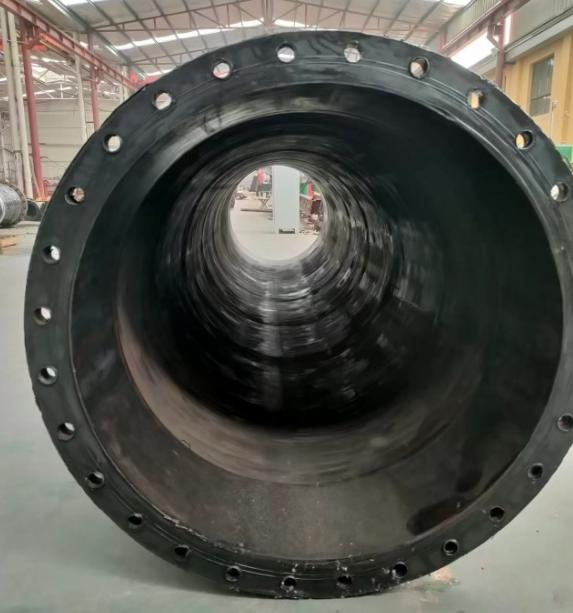
3. Where Common Rubber Hoses Are Typically Used
Common rubber hoses are suitable when:
The hose is well supported or suspended
External contact with rocks or structures is minimal
The operating environment is relatively controlled
Typical applications include:
Floating pipeline sections
Pump discharge connections
Dredger-to-steel pipe transitions
Booster station connections
In these cases, the main challenge is internal abrasion, not external impact.
4. Where Armored Hoses Are Necessary
Armored hoses are used when hoses face constant external stress, such as:
Dragging on riverbeds or seabeds
Contact with rocks, coral, or debris
Exposure to sharp edges or construction structures
Shallow-water or near-shore dredging
Amphibious dredger operations
The external armor acts as a physical shield, preventing cuts, crushing, and excessive wear on the rubber cover.
5. Durability vs. Flexibility Trade-Off
Armored hoses:
Last significantly longer in harsh environments
Reduce failure risk in high-impact zones
However:
They are heavier
Less flexible than standard hoses
Require stronger handling equipment
Because of this, armored hoses are usually installed only in high-risk sections, while common hoses are used elsewhere in the pipeline system.
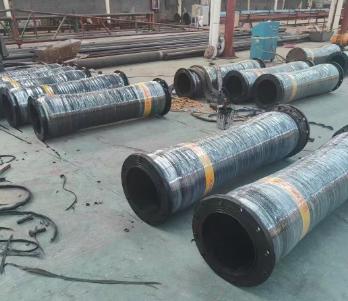
6. Cost Considerations
Armored hoses typically cost more due to:
Additional materials (steel rings or chains)
More complex manufacturing
Higher transportation weight
However, in environments with severe external abrasion, the total cost of ownership is often lower, as armored hoses reduce:
Replacement frequency
Downtime
Emergency repair costs
7. How to Choose Between Armored and Common Hoses
A practical selection approach:
Use common rubber hoses for floating lines and protected areas
Use armored hoses in zones with seabed contact or high impact risk
Combine both into a Total Hose Solution for optimal cost and performance
Conclusion
The key difference between armored hoses and common rubber hoses lies in external protection.
Both can handle slurry pressure and internal abrasion, but armored hoses are designed to survive harsh physical environments where standard hoses would fail prematurely.
Choosing the right type — or the right combination — is essential for safe, efficient, and cost-effective dredging operations.
Need Help Selecting the Right Hose Type?
We manufacture:
Common dredging rubber hoses
Armored dredging hoses
Floating and suction hoses
Customized hose assemblies for different dredger types
If you need technical advice or project-specific recommendations, feel free to contact us for support.
- How to Design a Dredging Pipeline System (Step-by-Step Guide)
- Advantages of Flexible Dredge Hose
- How Dredging Conditions (Sand, Clay, Gravel) Affect Hose Selection
- Installation Process of Marine Rubber Fender
- What is foating hose bending test?
- Maintenance Tips for Prolonging the Life of Your Dredging Hoses