 English
-
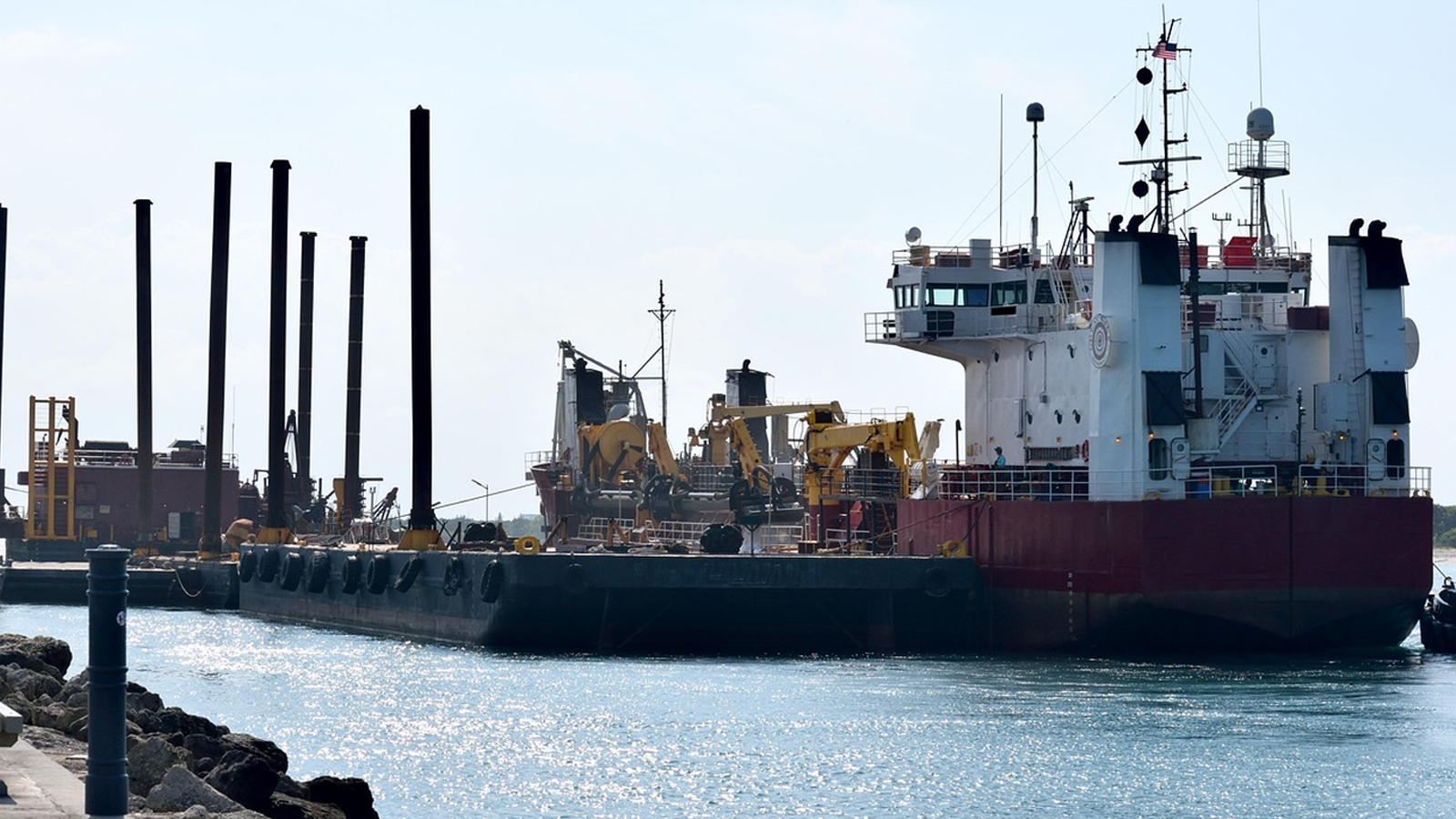
When sourcing dredging rubber hoses from China, price differences between dredge hose suppliers can be significant — sometimes 20–40%. For overseas contractors, the challenge is understanding what exactly defines a high-quality dredging hose, and how to distinguish a reliable manufacturer from a low-cost producer.
This guide explains the essential elements that determine durability, performance, and long-term reliability in marine dredging applications.
1. The Inner Lining: Your First Shield Against Abrasion
In dredging operations, the internal rubber layer faces constant impact from sand, gravel, silt, and sometimes small stones. This is where poor-quality hoses fail first.
A high-quality dredging hose should have:
Thick, uniform wear-resistant rubber lining
Consistent hardness and elasticity
Strong bonding to reinforcement layers
These factors directly determine how long a hose can withstand high-sand-content slurry without thinning, cracking, or blistering.
Tip for buyers: Ask for a cross-section photo or actual section sample. This immediately reveals whether the manufacturer maintains uniform lining quality, especially important when considering dredge hose for sale.
2. Reinforcement Layers: The Backbone of Pressure Resistance
The reinforcement structure is what keeps the hose stable under continuous pressure and vessel movement.
A high-quality dredging hose uses:
Multiple layers of high-strength fabric or cord
Even spacing and alignment
Strong adhesion between rubber and reinforcement
Anti-twist structure for self floating hose
This ensures the hose withstands internal pressure, external compression, and repeated bending during operation.
3. Flanges: Accurate Alignment and Marine-Grade Steel
Flanges are not just connectors — they determine whether your hose system can operate safely under heavy loads.
High-quality flanges feature:
Marine-grade steel with anti-corrosion treatment
Precise drilling according to dredger interface standards
Flat, uniform welding
Stable alignment for long chains of hoses
Misaligned or poorly welded flanges can lead to slurry leakage, connection failure, or downtime — all extremely costly in marine projects, especially when paired with dredge pipe suppliers components.
4. Outer Cover: Your Defense Against Weather, Saltwater, and UV
The outer layer must survive harsh offshore or river conditions:
Strong UV resistance
High anti-aging performance
Protection against saltwater and ozone
Sufficient thickness to resist scraping from pontoons or boat hulls
This is where regional manufacturing differences matter. Manufacturers located near the marine equipment industry (such as Jiangsu Zhenjiang/Danyang) typically use marine-grade rubber compounds rather than generic industrial formulas, making them a preferred marine fender China source.
5. Testing and Documentation: The Final Indicator of Reliability
Professional dredging hose manufacturers always provide:
Pressure and burst test reports
Flange alignment records
Material specifications
Technical drawings
Bending and elongation tests
If a supplier cannot provide these, it usually indicates:
Inconsistent production
Lack of quality management
Higher risk of failure in long-term operation
Additionally, for projects requiring ship sealing, choosing a supplier with comprehensive testing and documentation is critical.
Conclusion: Quality Comes From Engineering, Not Marketing
Understanding what makes a high-quality dredging hose allows overseas buyers to evaluate suppliers objectively, beyond just price.
Regions with strong marine engineering clusters — especially Jiangsu Zhenjiang/Danyang — generally deliver hoses with better materials, more accurate flange standards, and more consistent large-bore production.
Looking for a Reliable Hose Manufacturer in the Zhenjiang/Danyang Region?
YH Rubber specializes in:
Floating hoses
Discharge hoses
Suction hoses
Armored hoses
Full hose assembly solutions for dredgers
We provide engineering drawings, test reports, and reliable export support.
If you need consultation or a quotation, we are ready to assist.
Popular Insights into Dredging Hoses and Sealing Elements
- 2025 Floating Dredging Hose Market Analysis Report
- How Dredging Rubber Hoses Work with Different Types of Dredgers?
- Power 2+ Years of Zero Downtime in River Maintenance
- Comparison of Floating Rubber Hose with Other Types of Hoses
- Meeting the Demands of Modern Dredging:High-Performance Rubber Hoses
- Rubber Dredging Hose vs HDPE Pipe: Which One Should You Choose?