 English
-
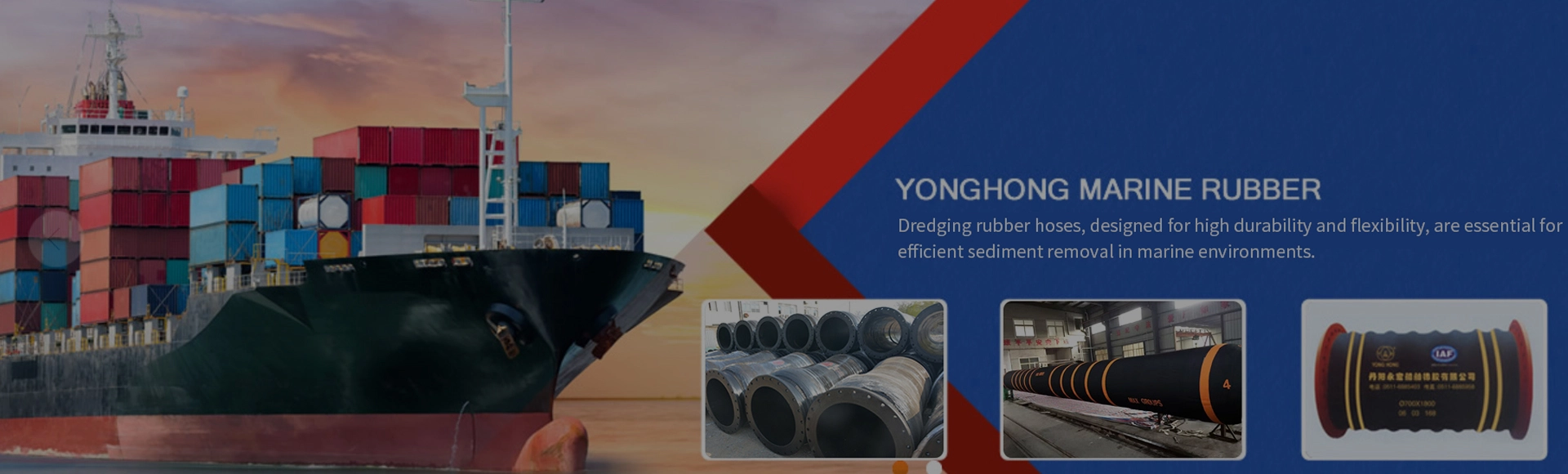
Different Types of Dredge Rubber Hose
Dredging projects present varying requirements for rubber hoses. From buoyancy control and wear resistance to system integration and safety assurance,
choosing the right type is the first step to ensuring a smooth project. The following common dredging rubber hoses meet the needs of various applications:
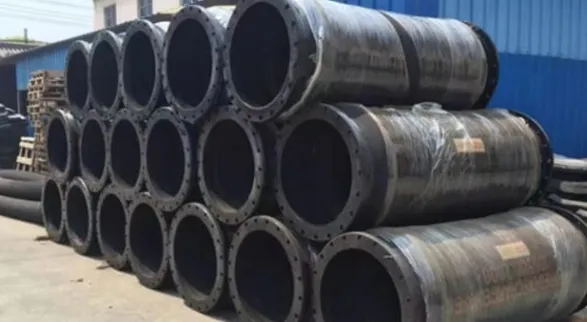
Armored rubber hose
When operating in extreme environments, heavy-duty armored hoses provide additional protection against physical impact and environmental corrosion, ensuring long-term system stability.
Self-floating rubber hose
Designed specifically for offshore operations, with a built-in buoyancy layer, they can be easily deployed on the surface.
YONGHONG's self-floating hose series combines durability and flexibility, ensuring stable operation even in harsh marine environments.
Mud discharge hose
For high-intensity mud discharge, this type of hose is renowned for its excellent wear resistance and flexibility, ensuring long-term stable operation and adapting to demanding dredging conditions.
Suction rubber hose
Designed for efficient mud suction and removal operations, it offers excellent flexibility and wear resistance, ensuring smooth fluid transfer and is a critical component in dredging systems.
Flexible connector hoses
As connectors in the system, these hoses effectively absorb vibrations and ensure stable connections between different components, thereby improving overall operational reliability.
Marine fenders
In addition to transport hoses, durable marine fenders are equally important. They protect the hull during berthing, preventing damage from impact and providing safety for ports and ships.
Selection: How to Choose the Right Dredge Rubber Hose
Choosing the right dredging hose for dredging operations is often a complex task. Is the hose being transported sand or slurry?
Is the project short-term or long-term? Is the environment inland or offshore?
These questions directly influence decisions about hose diameter, pressure rating, and structural design.
Ignoring these factors from the outset often results in premature hose wear and even downtime and project delays.
Many people struggle with the question:
How do you determine if a dredging hose is suitable for your project? Should budget be prioritized or durability be emphasized?
While there's no single, universally accepted answer, one thing is certain: choosing the right hose can help you avoid repeated replacements and additional costs.
We often see seemingly low-cost options ultimately costing far more than the investment in high-quality hose due to frequent wear and downtime.
During the selection process, what you truly need isn't a cold, hard data sheet; rather, you need someone who can help you align project requirements with product performance.
Having long-term experience with dredging contractors and port construction companies, we understand this pressure.
For this reason, we'd like to share more selection considerations to help you shorten the trial-and-error process.
If you'd like to learn more, feel free to contact our team for advice tailored to your specific application.
Recommended Articles
Want to learn more about avoiding selection pitfalls, the differences in hose parameters, and common selection considerations for project managers?
Click on the related articles below for more analysis:
Dredging Hose Selection Questionnaire
Comparison of Two Dredging Methods
Advantages of Flexible Dredge Hose
Structural Design and Application Advantages of Armored Hose
Comparison of Floating Rubber Hose with Other Types of Hoses
Selection Suggestions for Rubber Dredging Hoses
Top Dredge Hose Manufacturers in China
Regional Differences Impact on Dredging Rubber Hose Selection
Understanding Materials, Length, and Applications for Optimal Dredging Performance
Application: Maximizing the Value of Dredge Rubber Hoses
Purchasing rubber dredging hoses is just the first step; the real challenge lies in applying them to complex engineering sites.
Port desilting, channel widening, river management, sand mining and transportation, and tailings disposal—each scenario places unique demands on the hose.
You may have encountered a situation where a dredging hose performs well under laboratory condition but once deployed offshore or in a mining area, it begins to twist, wear rapidly, or even leak.
These problems are not uncommon.
The reason is that rubber dredging hoses are not standalone components; they form a complete system with pumps, steel pipes, floats, and connectors.
Deviations in any one link can affect overall performance. This is why many dredging companies emphasize the importance of "system configuration":
only by applying the hose to actual working conditions can its value be truly realized.
During the application phase, you need someone who understands the on-site environment, not a supplier who simply provides a product catalog.
We understand the complexities of dredging sites and know your biggest concerns when facing a project.
For this reason, our content focuses on different working conditions to help you find more practical application solutions.
If you're planning a new project, please share your specific requirements with us and we'll be happy to provide you with relevant recommendations.
Recommended Articles
Want to see application examples, common configuration solutions, and successful project summaries for different working conditions?
Click on the related articles below for more inspiration:
Application of Dredging Rubber Self-Floating Hose in Port Maintenance
Dredging Rubber Hoses in Belt and Road Infrastructure Projects
Mastering Dredging with High-Performance Hoses
Case Study: Small Dredging Project at a Local Marina
Custom Engineered Dredge Hose Solutions for Bulk Purchases
Unleash the Power of Your Projects with Advanced Sand Suction and Discharge Rubber Hoses
Maintenance: Extending the Life Cycle of Dredge Rubber Hoses
The lifespan of a dredging hose isn't solely determined by factory quality. More often, it's closely tied to daily use, storage, and maintenance.
Many project owners have experienced this: the same hose lasts two or three years on some sites, while failing after just a few months on others.
This isn't a matter of luck, but rather a difference in management.
Maintenance is often considered a "secondary" aspect, but in the dredging industry, it's crucial to ensuring project continuity and reducing overall lifecycle costs.
Imagine an ongoing waterway dredging project halted due to a ruptured dredging hose. This not only means repair costs, but also potential delays and contract penalties.
These hidden costs make maintenance far more important than it appears.
We understand the real-world pressures you face on your projects: maintaining construction schedules while minimizing downtime and wear and tear.
That's why our content not only shares basic maintenance principles but also incorporates common industry scenarios to help you find more practical management approaches.
If you're looking to optimize your maintenance processes or extend the life of your equipment, talk to us. You'll find that even small adjustments can make a significant difference.
Recommended Related Articles
Want to learn more about common dredging hose maintenance pain points, preventive maintenance strategies, and how to reduce unplanned downtime?
Click on the related articles below to read more:
Dredging Rubber Hose: Rubber Band in Dredging Projects
Maintenance Tips for Prolonging the Life of Your Dredging Hoses
Power 2+ Years of Zero Downtime in River Maintenance
Maximize Your Dredging Efficiency with Premium Rubber Suction Hoses
Flexibility and Customization: The Core Competitiveness of Dredge Rubber Hoses
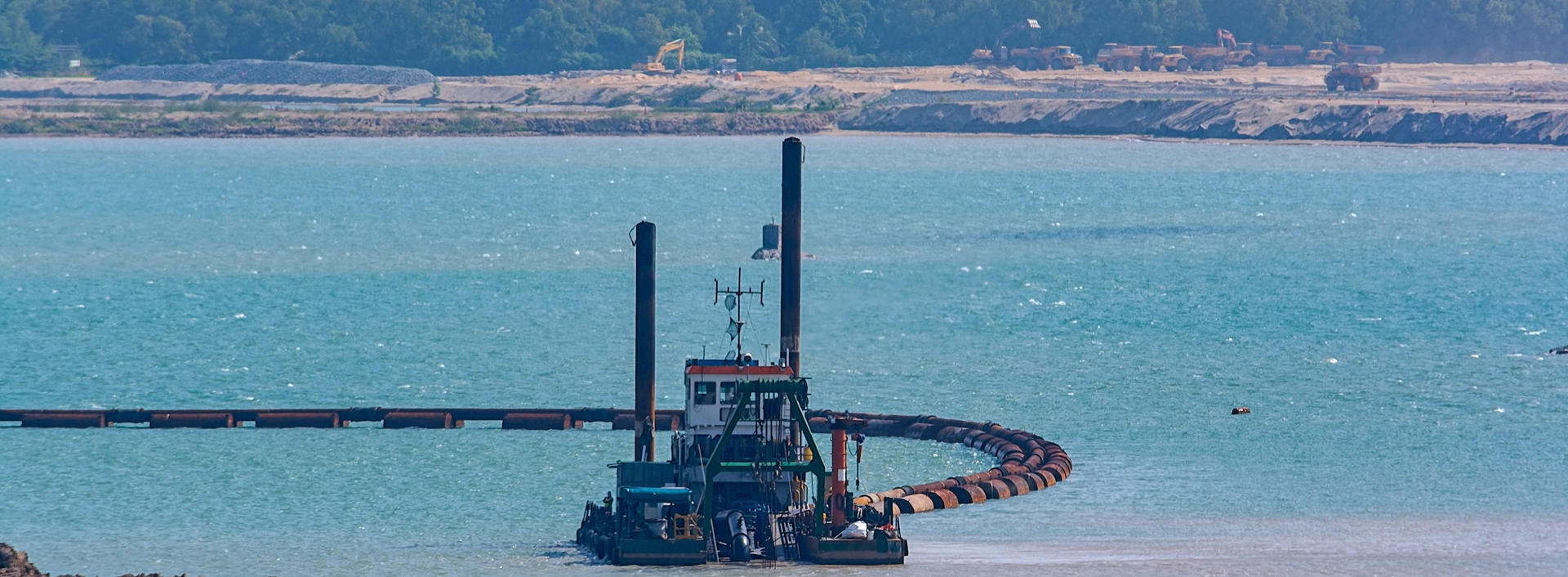
-
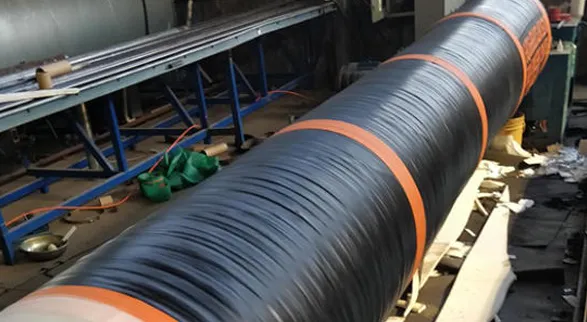 Jan 23 , 2026Why Rubber Dredging Hoses Are Black and Orange?When you look at a high-performance dredging hose, one of the first things you notice is its distinctive appearance: a rugged black hose body combined with a bright orange spiral or a durable orange p...
 -
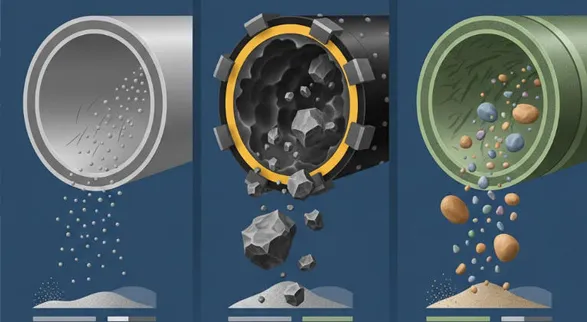 Jan 22 , 2026What You Need to Know Before Selecting Floating Hoses for Dredging Projects?Floating hoses are a critical component in modern dredging operations — especially for capital dredging, port construction, land reclamation, and deepwater sediment transport. The right floating hose...
 -
 Jan 21 , 2026How Self-Floating Hoses Solve the Dredging “Traffic Jam”?In the world of marine construction, dredging is the vital process of moving sediments to maintain shipping channels, restore beaches, or remediate the environment. While the massive dredging vessels ...
- Dredging Pipe vs. Dredging Hose
- Dredging Hoses in Hydraulic and Mechanical Operations
- Why Suction Hoses Aren’t Designed as Self‑Floating?
- What Is the Difference Between Armored Hoses and Common Rubber Hoses?
- What is foating hose bending test?
- Types of Dredging Hoses Suitable for Capital Dredging Works
- Meeting the Demands of Modern Dredging:High-Performance Rubber Hoses